

Actions for Communities
Provided by: Maine Climate Council|Published on: August 10, 2023
Grades: 9, 10, 11, 12, AP
Type: Articles/Websites
Subjects: Science, Economics, Civics
Authors: Maine Climate Council, Maine.gov
Region: North America, USA - Northeast, United States, Maine
Languages: English
This resource has been reviewed by SubjectToClimate's climate scientists and verified for scientific accuracy and up-to-date information. Learn about our review process →
This resource has been reviewed by SubjectToClimate's climate scientists and verified for scientific accuracy and up-to-date information. Learn about our review process →
Synopsis
- This brief article highlights the ways that municipalities in Maine are funding and supporting projects and actions that address climate change, energy efficiency, and community resiliency.
- Links to join the Community Resilience Partnership and learn more about grant funding are included.
Teaching Materials
Positives
- The information is specific to Maine, allowing students to see local efforts and available grants in their state.
- The article is brief and easy to understand.
- Possible next steps are included to encourage students to take action.
Additional Prerequisites
- Students should understand what a municipality is and how they can encourage their municipality to act.
Differentiation
- Have more advanced students research the grant requirements and application process and present it along with background information about why taking action is important for municipalities and communities.
- Have students read this as a bell-ringer and then ask students to write a short response to why community action to address global issues is important.
- Younger students can discuss the green transportation options available to communities and have them make posters that encourage students to walk, skate, or ride their bikes whenever possible.
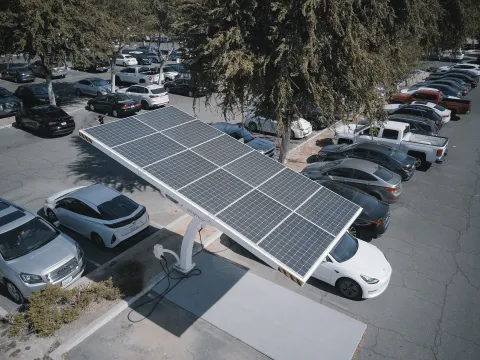
- Science and engineering students learning about heat, energy transfers, and materials can discuss the energy efficiency issues of older buildings and research low-cost ways to prevent energy waste and improve insulation in buildings.
The Community Resilience Partnership program is highlighted in this resource, along with how it has helped Maine become more carbon-neutral and strengthened local governments and communities to adapt to climate change. Teachers should consider using this resource.
Teaching Tips
Standards
Resource Type and Format
Scientist Reviewed
This resource has been reviewed by SubjectToClimate's climate scientists and verified for scientific accuracy and up-to-date information. Our review process ensures that every resource in our library reflects the current state of climate science.
Learn about our review process →