
An Ocean of Opportunity
Provided by: The Nature Conservancy|Published on: February 10, 2026
Grades: 6, 7, 8, 9, 10, 11, 12
Type: Articles/Websites
Subjects: Biology, Economics, Geography
Authors: The Nature Conservancy
Region: Africa
Languages: English
This resource has been reviewed by SubjectToClimate's climate scientists and verified for scientific accuracy and up-to-date information. Learn about our review process →
This resource has been reviewed by SubjectToClimate's climate scientists and verified for scientific accuracy and up-to-date information. Learn about our review process →
Synopsis
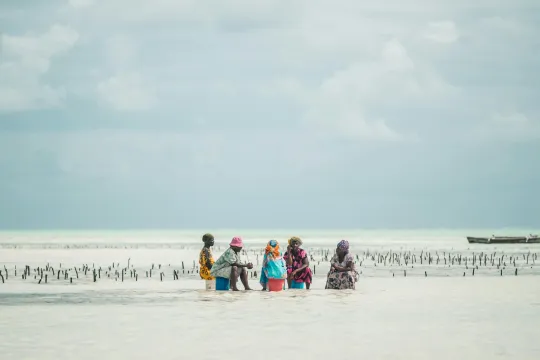
- This article from The Nature Conservancy describes seaweed aquaculture as an opportunity for women in Kenya to support themselves and participate in a more sustainable form of agriculture.
- The article talks about the benefits of seaweed farming and some best practices for avoiding potential negative impacts of seaweed farming.
Teaching Materials
Positives
- This article paints a hopeful picture for progress towards sustainable agriculture and gender equity.
- The article is well-organized and easy to read.
Prerequisites
- It may benefit students to highlight Kenya and other countries mentioned in this article on a map.
- Students should understand there are legal limitations or gender norms that may prohibit women from specific activites in other countries.
Differentiation & Implementation
- To make connections to climate change, teachers can use this video to explain the carbon sequestration potential of seaweed.
- This article does a great job of demonstrating Sustainable Development Goal 5, Gender Equality, and how it can interact with Goal 8, Decent Work and Economic Growth.
- Students can use the section about best practices for seaweed farming to create a sustainable seaweed farming guide, citing evidence noted in the article.
This article describes seaweed aquaculture and how it is growing in Kenya. The article discusses the benefits this farming has for people growing seaweed. It also discusses some of the barriers farmers have as well. The article highlights the importance of using best practices to improve the sustainability of farming, by protecting the surrounding environment. This is a great example of how working with our environment and prioritizing sustainability has benefits for humans and the environment. The information presented is accurate and this resource is recommended for teaching.
Teaching Tips
Standards
Resource Type and Format
About the Partner Provider
The Nature Conservancy
The Nature Conservancy is a global environmental nonprofit working to create a world where people and nature can thrive. The Nature Conservancy has grown to become one of the most effective and wide-reaching environmental organizations in the world.
Scientist Reviewed
This resource has been reviewed by SubjectToClimate's climate scientists and verified for scientific accuracy and up-to-date information. Our review process ensures that every resource in our library reflects the current state of climate science.
Learn about our review process →