

Biomimicry: Water Security Inspired By Nature
Provided by: The Nature Conservancy|Published on: February 16, 2025
Grades: 9, 10, 11, 12
Type: Lesson Plans
Subjects: Biology, Engineering
Authors: Nature Lab by The Nature Conservancy
Region: South and Central America, Global
Languages: English
This resource has been reviewed by SubjectToClimate's climate scientists and verified for scientific accuracy and up-to-date information. Learn about our review process →
This resource has been reviewed by SubjectToClimate's climate scientists and verified for scientific accuracy and up-to-date information. Learn about our review process →
Synopsis
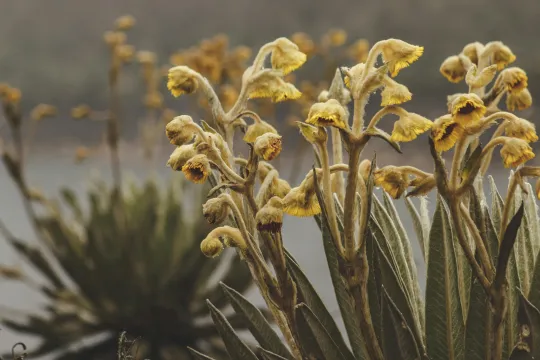
- In this lesson, students will learn about biomimicry and plants that capture and store fog for water, then use their knowledge to design a solution to collect and store fog for human consumption.
- Students will look at examples of biomimicry in planes, buildings, and other innovations and explore the watershed of Bogota, Columbia, focusing on local plants and their water storage techniques inn Chingaza National Park and how farming communities along the watershed use and store water.
- In an optional extension opportunity, students will look at the fog catcher in use in Villa Lourdes, Peru.
Teaching Materials
Positives
- Students are given a lot of creative control within the parameters of the activity, which will give them a sense of autonomy while carrying out the project.
- Seeing examples of biomimicry in things that are familiar to them, such as planes and velcro, will help students feel more connected to the lesson.
Prerequisites
- The links to the video and presentation slides are not clickable. Teachers can find the video HERE and the slides HERE.
- Some of the links in the Additional Resources for Further Reading section are broken.
- Students should understand the importance of fresh water.
Differentiation & Implementation
- Students can discuss how climate change can exacerbate droughts, making a solution to this issue even more important. Additionally, students can apply what they learned about biomimicry to brainstorm solutions to other climate change impacts such as flooding, extreme heat, animal population decline, etc.
- To make career connections, students can refer to the part of the video that features a fresh water strategy coordinator and discuss and research what this career title means, how one can become a fresh water strategy coordinator, and other green careers students may not know about as options.
- When watching the video, some students may benefit from slowing the video playback speed or pausing the video to read the subtitles.
- Language arts teachers can make connections by having students write short persuasive papers using evidence from the tests to explain why their innovation is the best.
The lesson plan focuses on the concept of biomimicry and water security. In this lesson, students will learn what biomimicry is and have the opportunity to design their own water collection system using biomimicry concepts. This lesson provides an example of how nature can teach and inspire solutions to climate and environmental problems. The information presented is accurate, and this resource is recommended for teaching.
Teaching Tips
Standards
Resource Type and Format
About the Partner Provider

The Nature Conservancy
The Nature Conservancy is a global environmental nonprofit working to create a world where people and nature can thrive. The Nature Conservancy has grown to become one of the most effective and wide-reaching environmental organizations in the world.
Scientist Reviewed
This resource has been reviewed by SubjectToClimate's climate scientists and verified for scientific accuracy and up-to-date information. Our review process ensures that every resource in our library reflects the current state of climate science.
Learn about our review process →