
Deploy LED Lighting
Provided by: Project Drawdown|Published on: December 11, 2025
Grades: 9, 10, 11, 12, AP
Type: Scientific Reports
Subjects: Engineering
Authors: Project Drawdown
Region: Global
Languages: English

This resource has been reviewed by SubjectToClimate's climate scientists and verified for scientific accuracy and up-to-date information. Learn about our review process →
This resource has been reviewed by SubjectToClimate's climate scientists and verified for scientific accuracy and up-to-date information. Learn about our review process →
Synopsis
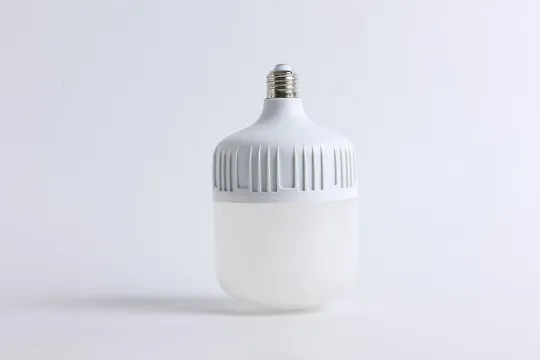
- This interactive report from Project Drawdown details how replacing inefficient light fixtures with LEDs can lower energy use in buildings and act as a climate mitigation solution.
- The report lays out the current rate of LED usage, a map of global adoption, how effective this action is as a climate solution over time, the costs associated with this solution, and the benefits of increasing the use of LEDs.
Teaching Materials
Positives
- Students will appreciate the definition pop-ups that appear when hovering over highlighted terms.
- The report includes a variety of charts and graphs that help show the information clearly, such as how LEDs compare to other light solutions.
Prerequisites
- Students should understand climate change and the role of electricity generation in creating greenhouse gas emissions.
Differentiation & Implementation
- Using this report and other resources, students can create a guide for homeowners, detailing how to make their homes climate-friendly.
- Teachers can pair the report with this video and discuss how students can take actions inspired by the interviewee and supported by the knowledge they gained from reading the report.
- To make connections to the UN Sustainable Development Goals, teachers can point to the fact that there are health-related co-benefits, making this solution one that will address both SDG 13, Climate Action, and SDG 3, Good Health and Well-Being.
This resource discusses the adoption of LED lighting as a strategy to reduce greenhouse gas emissions. This resource is well-sourced, citing many peer-reviewed sources, and key vocabulary is defined in the text. A key reinforcing interaction is highlighted, that LED lights produce less heat than incandescent, and thus can reduce cooling energy requirements in warm climates. This resource is recommended for teaching.
Teaching Tips
Standards
Resource Type and Format
About the Partner Provider

Project Drawdown
Project Drawdown is a nonprofit organization that seeks to help the world reach “drawdown”—the future point in time when levels of greenhouse gases in the atmosphere stop climbing and start to steadily decline. Cities, universities, corporations, philanthropies, policymakers, communities, educators, activists, and more turn to Project Drawdown as they look to advance effective climate action. Project Drawdown resources for educators include the database of Drawdown Solutions, educational video series Climate Solutions 101, the Drawdown Stories initiative, and more.
Scientist Reviewed
This resource has been reviewed by SubjectToClimate's climate scientists and verified for scientific accuracy and up-to-date information. Our review process ensures that every resource in our library reflects the current state of climate science.
Learn about our review process →