
Earth's Energy Resources: Water Energy
Provided by: Epic!|Published on: October 19, 2021
Grades: K, 1, 2, 3, 4
Type: Ebooks
Subjects: Science, English Language Arts
Authors: Elsie Olson
Region: Global
Languages: English
This resource has been reviewed by SubjectToClimate's climate scientists and verified for scientific accuracy and up-to-date information. Learn about our review process →
This resource has been reviewed by SubjectToClimate's climate scientists and verified for scientific accuracy and up-to-date information. Learn about our review process →
Synopsis
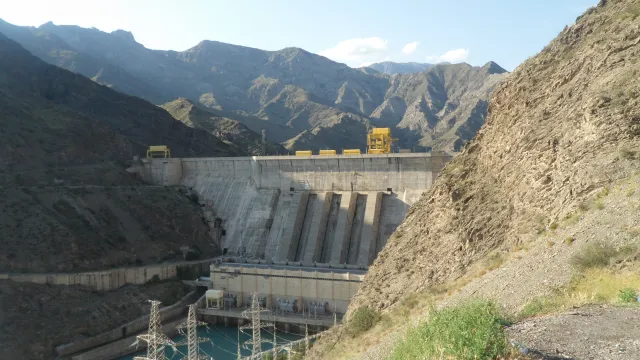
- This digital book by Epic provides basic information about making energy from moving water.
Teaching Materials
Positives
- The images are engaging.
- You can track daily reading, student logs, assignments, and quizzes in Epic.
Prerequisites
- You must create a free account as an educator to access this book. Students can be added to your class using a class code.
- This book does not mention that building dams to trap water for hydroelectric plants causes disruptions and damage to the river and surrounding ecosystems and causes emissions of methane gas, a powerful greenhouse gas. This might be important to mention.
- It also says that water "doesn't get used up." However, it might be good to remind students that fresh and clean water does get used up, particularly in arid locations or in drought-stricken areas.
- The phrase "climate change" is not mentioned in this book.
Differentiation & Implementation
- Students can click any word to get an audio pronunciation and a definition.
- There is a glossary of terms at the end of the book.
This short book targeted to 4-9 year-olds presents the concepts of water energy, waterwheels, turbines, and renewable energy. It is a quick read. This resource is recommended for teaching.
Teaching Tips
Standards
Resource Type and Format
Scientist Reviewed
This resource has been reviewed by SubjectToClimate's climate scientists and verified for scientific accuracy and up-to-date information. Our review process ensures that every resource in our library reflects the current state of climate science.
Learn about our review process →