

Exploring Systems Across Scales
Provided by: BioInteractive|Published on: November 20, 2025
Grades: 9, 10, 11, 12, AP
Type: Lesson Plans
Subjects: Biology, Earth and Space Sciences
Authors: BioInteractive
Region: Global
Languages: English
This resource has been reviewed by SubjectToClimate's climate scientists and verified for scientific accuracy and up-to-date information. Learn about our review process →
This resource has been reviewed by SubjectToClimate's climate scientists and verified for scientific accuracy and up-to-date information. Learn about our review process →
Synopsis
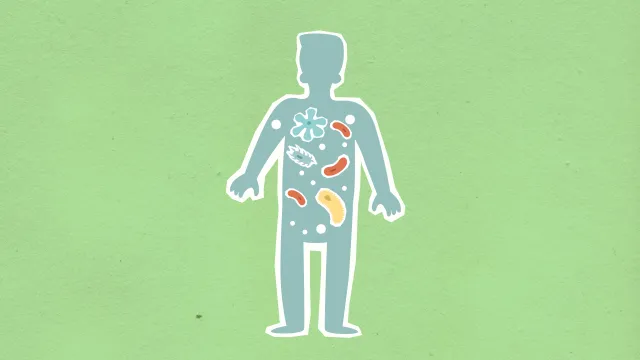
- In this lesson from BioInteractive, students will study Earth systems and body systems to understand how components of a system work together.
- Students will examine feedback loops and system components as they relate to climate change and blood glucose.
- This lesson will take two to three class periods to complete.
Teaching Materials
Positives
- This resource offers many opportunities for shifting and changing the lesson to fit students' needs.
- Students will benefit by constructing their own models, becoming more familiar with the systems as they convey their understanding through their models.
Prerequisites
- Students should understand how models are used to represent systems.
- Depending on students' familiarity with the systems described, teachers may need to define content-specific vocabulary words ahead of time.
- The handouts and educator materials are also available in Spanish.
Differentiation & Implementation
- Biology and anatomy and physiology teachers can use this lesson to draw parallels between bodily systems and Earth systems.
- Teachers can assign handouts based on students' interests or familiarity.
- After analyzing these two systems, students can identify other systems they are familiar with and compare them to these systems.
- This video can be used as an extension resource. It covers the feedback loops discussed in the lesson, as well as other climate feedback loops.
This resource from BioInteractive introduces students to systems thinking in biology, helping them explore how processes work across different scales, from molecules to ecosystems. It includes videos, interactive media, and handouts that guide students through analyzing patterns and relationships in scientific data, even though no original datasets are provided. Created by a trusted educational organization, it encourages critical thinking and systems-level understanding, making it a valuable tool for connecting biology concepts to real-world issues like climate change and ecosystem resilience.
Teaching Tips
Standards
Resource Type and Format
About the Partner Provider

BioInteractive
BioInteractive brings the power of real science stories into tens of thousands of high school and undergraduate life science classrooms.
Scientist Reviewed
This resource has been reviewed by SubjectToClimate's climate scientists and verified for scientific accuracy and up-to-date information. Our review process ensures that every resource in our library reflects the current state of climate science.
Learn about our review process →