
Fast Fashion for Elementary Students
Provided by: The Climate Initiative|Published on: July 16, 2026
Grades: 2, 3, 4, 5
Type: Lesson Plans
Subjects: Science
Authors: The Climate Initiative, My Green Earth
Region: Global
Languages: English
This resource has been reviewed by SubjectToClimate's climate scientists and verified for scientific accuracy and up-to-date information. Learn about our review process →
This resource has been reviewed by SubjectToClimate's climate scientists and verified for scientific accuracy and up-to-date information. Learn about our review process →
Synopsis
- This elementary lesson toolkit explores fast fashion, framing students as detectives investigating whether fast fashion is truly fashionable given its environmental and social costs.
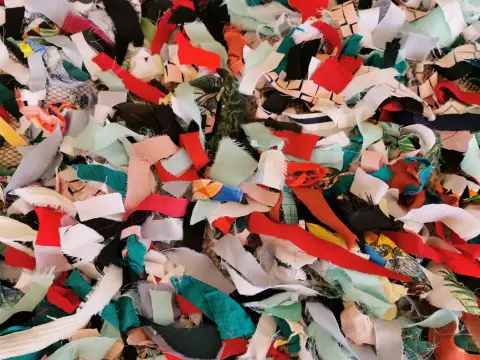
- Students trace the journey of a T-shirt from cotton field to landfill and investigate how clothing production connects to water use, textile waste, microplastics, carbon emissions, and the communities that make our clothes.
- In hands-on stations, students test and compare natural and synthetic fabrics for water absorption and durability, excavate pre-buried fabric samples to observe decomposition, and complete a take-home closet audit.
Teaching Materials
Prerequisites:
- The decomposition station requires burying fabric samples in soil two to four weeks in advance, so prepare those materials well before teaching the lesson.
- Read through the guide's educator background information to deepen your understanding of fast fashion and fabric sustainability.
Materials:
- For the activity, each student team will need:
- 4"x4" cotton fabric sample
- 4"x4" polyester fabric sample
- 2 small clear cups with water
- Eyedroppers or pipettes
- Sandpaper patches
- Baseball
- A rubber band
- Paper towels
- Timer or clock
- Pre-buried fabric samples in soil containers
- Cotton, polyester, wool fabric samples
- Plastic gloves
- Magnifying glass
- Ruler
- For the optional upcycling extension, students will need:
- Old t-shirts
- Fabric scissors
- Fabric markers
- Other craft supplies
Extensions:
- Deepen the activity's math and science focus by emphasizing fair tests and having students build graphs from the data they collect.
- Launch an investigation into the fabrics and origins of your school uniforms and design a more sustainable version.
This collection explores climate, environmental and social impacts of fast fashion. The text is very detailed, with many trusted sources linked such as UN Environment Programme. One powerful insight shared that is often not well understood is that synthetic fibers are made from oil, carrying all the climate and environmental concerns associated with oil. This resource is recommended for teaching.
Teaching Tips
Standards
Resource Type and Format
About the Partner Provider

TCI (The Climate Initiative)
The Climate Initiative is a nonpartisan, science-based climate change organization based in Kennebunkport, Maine whose mission is to empower youth voices for climate action. Through national education and empowerment initiatives, youth are learning about climate solutions and becoming agents of change in their communities and beyond. Learn more about TCI by connecting with us on Instagram, Facebook and Twitter.
Scientist Reviewed
This resource has been reviewed by SubjectToClimate's climate scientists and verified for scientific accuracy and up-to-date information. Our review process ensures that every resource in our library reflects the current state of climate science.
Learn about our review process →