

Gas Busters
Provided by: Tumble Media|Published on: June 25, 2026
Grades: 6, 7, 8
Type: Podcasts
Subjects: Biology, Engineering
Authors: Tumble Science Podcast for Kids
Region: Global
Languages: English
This resource has been reviewed by SubjectToClimate's climate scientists and verified for scientific accuracy and up-to-date information. Learn about our review process →
This resource has been reviewed by SubjectToClimate's climate scientists and verified for scientific accuracy and up-to-date information. Learn about our review process →
Synopsis
- This 20-minute podcast episode explores how synthetic biology could help fight climate change by recycling carbon dioxide.
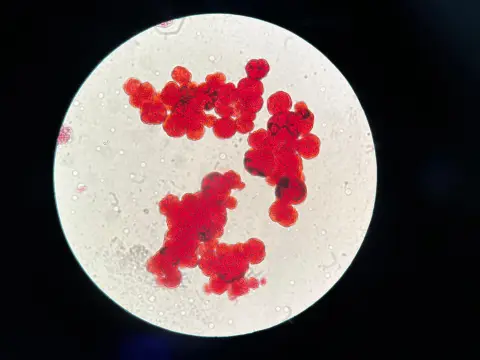
- Students learn about C. otto, a gas-eating bacteria that can be engineered to turn waste gases into materials like plastics and jet fuel.
Teaching Materials
Preparation:
- Note that there are multiple ads throughout the podcast.
- For more active listening, pre-select a few points of the podcast to pause at and ask students questions.
Classroom Implementation:
- Before listening, activate prior knowledge by asking students to brainstorm everyday objects they think are made from oil, then revisit the list to add surprising examples mentioned in the episode.
- Provide students with the transcript and a few guiding questions so they can follow along, highlight, and take notes on paper.
- Facilitate a discussion using the episode's closing questions about who benefits and who might be harmed by a new technology, connecting science to ethics and decision-making.
Extensions:
- Have students research other nature-based solutions to climate change and present their findings.
- Tie this podcast to a lesson about bacteria, DNA, and genetic engineering, like this one.
This podcast episode discusses how bacteria can help combat climate change by consuming excess carbon dioxide and converting it into a useful form, and current efforts to make this a reality. This concept is an example of synthetic biology, a field of science that focuses on engineering organisms to acquire new abilities. Discussion about how this can help combat climate change is included. There are a few references to previous podcast episodes; however, the show is understandable even if you haven't listened to them. The information presented is accurate, and this resource is recommended for teaching.
Teaching Tips
Standards
Resource Type and Format
Scientist Reviewed
This resource has been reviewed by SubjectToClimate's climate scientists and verified for scientific accuracy and up-to-date information. Our review process ensures that every resource in our library reflects the current state of climate science.
Learn about our review process →