
Gender Equality: SDG 5
Provided by: Smile and Learn|Published on: April 4, 2025
Grades: K, 1, 2, 3, 4, 5
Type: Videos
Subjects: Social Studies
Authors: Smile and Learn
Region: Global
Languages: English
This resource has been reviewed by SubjectToClimate's climate scientists and verified for scientific accuracy and up-to-date information. Learn about our review process →
This resource has been reviewed by SubjectToClimate's climate scientists and verified for scientific accuracy and up-to-date information. Learn about our review process →
Synopsis
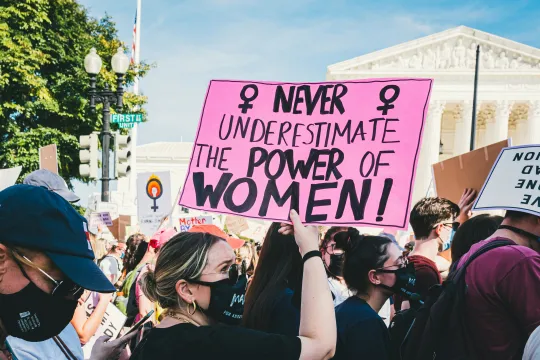
- This short video (3:51) introduces students to UN Sustainable Development Goal (SDG) #5 of gender equality and empowering women and girls as a factor creating a peaceful and sustainable world.
- The video emphasizes having empathy and respect for people who are different from us.
Teaching Materials
Positives
- The video discusses how no particular sport, clothing, toy, or color is just for one gender.
- The video has a positive tone that invites students to take action.
Prerequisites
- Students should be familiar with the UN SDGs. This lesson can help.
- The video mentions struggles faced by women and girls, including child marriage, which can be upsetting to students.
Differentiation & Implementation
- Ask students to think of important women in their lives, including in their families, and what they learn from them.
- This video on Eunice Newton Foote can be used to introduce students to an important woman in climate science and the struggles she faced.
- This resource can be used to discuss equality in more depth with students.
- These resources can be used to discuss equality and environmental justice with students.
- This resource is for older students but can also provide teachers with the necessary background information to relate gender equality to climate change.
The video discusses gender equality, why it is essential, and how it is a part of the UN's Sustainable Development Goals. Climate change and the environment are not specifically discussed, but they can be tied into discussions about sustainability and the UN Sustainable Development Goals. Many of the inequalities faced by women are mirrored in climate impacts, education, and activism. For example, women often have less access to education, which contributes to their exclusion/ limited representation in decision-making spaces and higher vulnerability to climate impacts. The information presented is accurate, and this resource is recommended for teaching.
Teaching Tips
Standards
Resource Type and Format
Scientist Reviewed
This resource has been reviewed by SubjectToClimate's climate scientists and verified for scientific accuracy and up-to-date information. Our review process ensures that every resource in our library reflects the current state of climate science.
Learn about our review process →