
H2-Oh No! Where Stream Water Comes From
Provided by: University of Illinois Extension|Published on: February 9, 2026
Grades: 6, 7, 8
Type: Videos
Subjects: Earth and Space Sciences
Authors: University of Illinois Extension
Region: Illinois
Languages: English
This resource has been reviewed by SubjectToClimate's climate scientists and verified for scientific accuracy and up-to-date information. Learn about our review process →
This resource has been reviewed by SubjectToClimate's climate scientists and verified for scientific accuracy and up-to-date information. Learn about our review process →
Synopsis
- This two-minute video from the University of Illinois Extension explains how water that flows into indoor and outdoor drains eventually ends up in streams.
- Students will learn that we need to do our best to prevent contaminants from entering the water that will flow into streams.
Teaching Materials
Positives
- The video will keep students engaged by using multiple locations to coincide with the topic discussed at the time.
- Students will enjoy seeing a video in this short-form style.
Prerequisites
- Students should understand the water cycle and the importance of having clean drinking water.
Differentiation & Implementation
- Teachers can use this video as a lesson hook for a more in-depth look at conserving and treating water. This student-facing course gives students a look into water management.
- After watching, students can brainstorm ideas to conserve and protect the freshwater resources in their communities.
- Teachers can use this video to make connections to Sustainable Development Goal 6, Clean Water and Sanitation. This comic book is a cool resource for teaching students more about this SDG if they do not have any background knowledge about it.
- To make connections to climate change, teachers can explain how climate change impacts the water cycle, which in turn impacts our water resources.
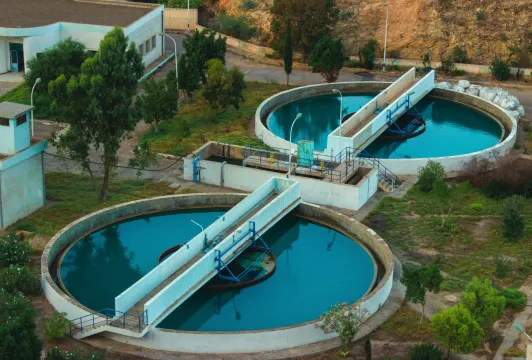
This resource is a short educational video (~2 min) from the University of Illinois Extension that explains how household water and stormwater move through treatment systems and ultimately return to rivers and streams. The video clearly describes the difference between stormwater and sewer water, how water is treated, and why pollution prevention matters. While it doesn’t include original datasets, it’s created by a trusted educational institution and is a great way to spark classroom conversations about the human role in the water cycle.
Teaching Tips
Standards
Resource Type and Format
Scientist Reviewed
This resource has been reviewed by SubjectToClimate's climate scientists and verified for scientific accuracy and up-to-date information. Our review process ensures that every resource in our library reflects the current state of climate science.
Learn about our review process →