

How Can We Monitor the Wildlife Trade?
Provided by: Science Journal for Kids|Published on: May 28, 2026
Grades: 6, 7, 8, 9, 10
Type: Scientific Reports
Subjects: Biology
Authors: Science Journal for Kids
Region: Asia, Europe, United States
Languages: English
This resource has been reviewed by SubjectToClimate's climate scientists and verified for scientific accuracy and up-to-date information. Learn about our review process →
This resource has been reviewed by SubjectToClimate's climate scientists and verified for scientific accuracy and up-to-date information. Learn about our review process →
Synopsis
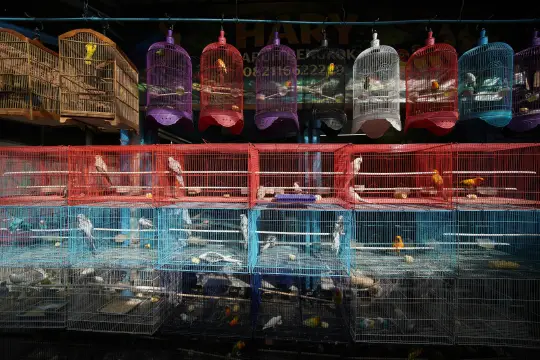
- This article explains how scientists analyzed two wildlife trade databases — the United States LEMIS database and the global CITES database — to better understand the scale of the legal and illegal wildlife trade and its threat to biodiversity.
- The article describes the gaps and inconsistencies in trade data and the researchers' suggestions for collecting, standardizing, and sharing data to make the wildlife trade more sustainable.
Teaching Materials
Prerequisites:
- Ensure students are familiar with the concept of endangered species.
- Consider defining the term biodiversity.
Preparation:
- The Teacher's key requires an account to access.
Classroom Implementation:
- Use this article in a life science or environmental science unit on biodiversity, ecosystems, and human impacts.
- Have students interpret the bar graph and pictograph figures to practice reading scientific data displays.
Differentiation:
- Use the audio version for auditory learners or to support students with low reading stamina.
Interdisciplinary Connections:
- English Language Arts:
- Use this as an anchor text for scientific and informative writing.
- Leverage the article's included glossary for vocabulary work.
Climate Change Connections:
- Stress the importance of biodiversity and highlight how certain species will be more threatened as climate change progresses.
This resource is an adaptation of a peer-reviewed article originally published in PNAS that investigates the international wildlife trade. Key points in the text are highlighted, and a comprehensive glossary is included. The article does not explicitly mention climate change, but sustainability and biodiversity are key themes. This resource is recommended for teaching.
Teaching Tips
Standards
Resource Type and Format
About the Partner Provider
Science Journal for Kids
Hundreds of scientific articles. Written for kids. Approved by scientists. Free.
Scientist Reviewed
This resource has been reviewed by SubjectToClimate's climate scientists and verified for scientific accuracy and up-to-date information. Our review process ensures that every resource in our library reflects the current state of climate science.
Learn about our review process →