

How Grass Lawns Became the Largest Irrigated Crop in the U.S.
Provided by: Grist|Published on: April 27, 2021
Grades: 9, 10, 11, 12
Type: Videos
Subjects: Biology, History
Authors: Grist
Region: North America, United States
Languages: English

This resource has been reviewed by SubjectToClimate's climate scientists and verified for scientific accuracy and up-to-date information. Learn about our review process →
This resource has been reviewed by SubjectToClimate's climate scientists and verified for scientific accuracy and up-to-date information. Learn about our review process →
Synopsis
- This video from Grist discusses the popularity and growth of lawns in the United States, showing clips of commercials and ads from many decades ago.
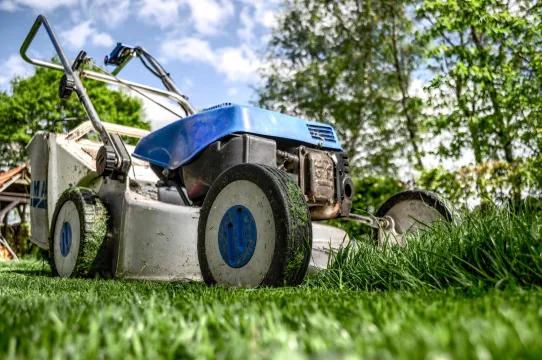
- It highlights the large amount of land used for lawns and the water, pesticides, fertilizers, and gas-powered lawn equipment required to maintain them, making them polluting and sterile environments.
- It also showcases examples of native plants, rain gardens, food gardens, and other grass-like options to use instead of a monoculture carpet of high-maintenance grass.
Teaching Materials
Positives
- The historical context and examples in this video may help students understand the influence of media on society.
- There are a number of solutions presented that students could take action on in their communities.
Prerequisites
- One of the historical ads presented in this video may be seen as disrespectful to women and/or religious individuals, so you may want to address this with students or skip to 0:26 in the video.
- There may be ads before the video.
- The link to the Metropolitan Integration Research Center and the link to "tips for what to do with your own lawn" do not work.
Differentiation & Implementation
- Advanced students can use this video to supplement this topic and then write a paper persuading their school, city, county, or home owner's association to convert a percentage of their turf grass to edible plants, a garden, and/or native trees, bushes, and flowers.
- Pausing the video to explain concepts or review terminology may be helpful for some students.
- A discussion and reflection paper can be completed after the video to allow students to assess their feelings about the content presented and think critically about solutions.
- Other resources about this topic include this interactive media and data resource about nitrogen pollution, this video about biodiversity, and this mini-unit about water pollution.
This 4-minute video outlines a short history of the cultivation of lawns on properties within the U.S. It presents issues with water use, fertilizers, and agriculture. This is a short, clear resource with sources provided in the video description. This resource is recommended for teaching.
Teaching Tips
Standards
Resource Type and Format
Scientist Reviewed
This resource has been reviewed by SubjectToClimate's climate scientists and verified for scientific accuracy and up-to-date information. Our review process ensures that every resource in our library reflects the current state of climate science.
Learn about our review process →