
How Nature Works in Coastal Peru: Amazing Biodiversity
Provided by: The Nature Conservancy|Published on: June 14, 2025
Grades: 3, 4, 5, 6, 7, 8
Type: Lesson Plans
Subjects: Biology, Geography
Authors: Nature Lab by The Nature Conservancy
Region: South and Central America
Languages: English
This resource has been reviewed by SubjectToClimate's climate scientists and verified for scientific accuracy and up-to-date information. Learn about our review process →
This resource has been reviewed by SubjectToClimate's climate scientists and verified for scientific accuracy and up-to-date information. Learn about our review process →
Synopsis
- In this virtual field trip from Nature Lab by The Nature Conservancy, students will see different parts of Peru and learn about the ecosystems, the animals that live there, the biodivsersity hotspots, and how to protect marine life.
- Students will hear from a fisheries specialist, participate in a video scavenger hunt, and work to acquire new vocabulary.
- This resource connects with climate change topics and solutions such as changing ocean conditions, biodiversity and ecosystem services, and environmental conservation.
Teaching Materials
Positives
- The resource includes various resources that keep students engaged in the virtual field trip.
- Students will love seeing other kids contribute to the video by sharing facts they have learned in their research.
Prerequisites
- Teachers will need to access the virtual field trip using this link. If teachers don't have access to YouTube, they can use this link and scroll to the video titled Peru: A Coastal Ecosystem.
- It may benefit students to understand the basics of ecosystems.
Differentiation & Implementation
- Teachers can use the vocabulary graphic organizer in future vocabulary activities, as students will be familiar with using it after this lesson.
- On the back of the vocabulary graphic organizer, students can draw images that help them remember what the word means.
- The beginning of the video has many text boxes on the screen, so teachers may want to pause the video and read the text out loud.
- Teachers can isolate segments of the video to extend various topics of discussion in the classroom, such as historical art, balance in an ecosystem, sustainable fishing, El Niño, and our responsibility to protect the ocean no matter where we live.
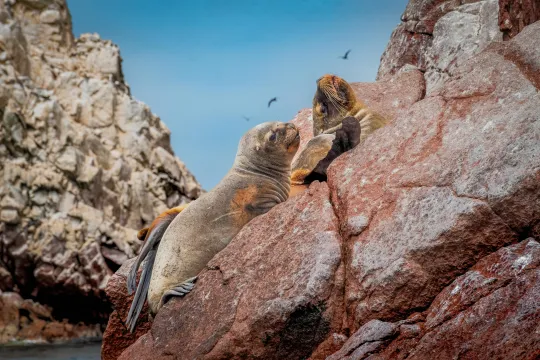
Students can use this virtual trip guide to learn about wildlife in Peru. For example, they can learn about El Nino and the Humboldt Current, which is important for keeping Peru's ocean ecosystem healthy. This resource is well-sourced and is recommended for teaching.
Teaching Tips
Standards
Resource Type and Format
About the Partner Provider
The Nature Conservancy
The Nature Conservancy is a global environmental nonprofit working to create a world where people and nature can thrive. The Nature Conservancy has grown to become one of the most effective and wide-reaching environmental organizations in the world.
Scientist Reviewed
This resource has been reviewed by SubjectToClimate's climate scientists and verified for scientific accuracy and up-to-date information. Our review process ensures that every resource in our library reflects the current state of climate science.
Learn about our review process →