
Hummingbird and Warbler Coloring Pages
Provided by: Connecticut Department of Energy and Environmental Protection|Published on: May 22, 2024
Grades: 1, 2, 3, 4
Type: Worksheets
Subjects: Science
Authors: Connecticut Department of Energy and Environmental Protection
Region: North America, USA - Northeast, United States, Connecticut
Languages: English
This resource has been reviewed by SubjectToClimate's climate scientists and verified for scientific accuracy and up-to-date information. Learn about our review process →
This resource has been reviewed by SubjectToClimate's climate scientists and verified for scientific accuracy and up-to-date information. Learn about our review process →
Synopsis
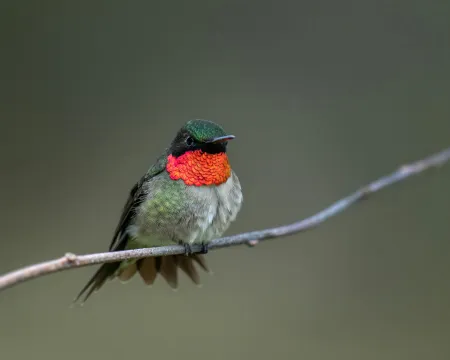
- These coloring pages include images of Blue-Winged Warblers and Ruby-Throated Hummingbirds and facts about their lives in Connecticut.
- Students will learn where to find the birds, the birds' coloration, and how male and female birds differ in coloration.
Teaching Materials
Positives
- Students will appreciate the guidance for coloring the birds.
- The coloring sheet also includes some background elements for students to color!
Additional Prerequisites
- It may help students to see full-color pictures of hummingbirds and warblers.
- The vocabulary in the facts alongside the birds is pretty advanced for younger students. These students may benefit from having these read to them.
Differentiation
- Teachers can use this coloring page to follow a discussion about how global climate change will impact hummingbird and warbler populations.
- Students can listen to audio of warbler calls and talk about the purpose of bird calls.
- The class can go bird-watching together and try to spot hummingbirds and warblers.
- Teachers and students can put a hummingbird feeder outside their classroom window.
- Students can research birds' roles as pollinators and discuss their importance.
This resource from the Connecticut Department of Energy and Environmental Protection Bureau of Natural Resources - Wildlife Division are two coloring pages. One page for the Blue-winged Warbler and another for the Ruby-throated Hummingbird teaches students what the birds look like by allowing them to color in the picture while also including a short blurb about where to find them. The information on the coloring pages comes from a reliable governmental source and would enhance a classroom discussion on wildlife.
Teaching Tips
Standards
Resource Type and Format
Scientist Reviewed
This resource has been reviewed by SubjectToClimate's climate scientists and verified for scientific accuracy and up-to-date information. Our review process ensures that every resource in our library reflects the current state of climate science.
Learn about our review process →