
If You Care, Leave it There
Provided by: Connecticut Department of Energy and Environmental Protection|Published on: May 20, 2024
Grades: 3, 4, 5
Type: Worksheets
Subjects: Science, English Language Arts
Authors: Connecticut Department of Energy and Environmental Protection
Region: North America, USA - Northeast, United States, Connecticut
Languages: English
This resource has been reviewed by SubjectToClimate's climate scientists and verified for scientific accuracy and up-to-date information. Learn about our review process →
This resource has been reviewed by SubjectToClimate's climate scientists and verified for scientific accuracy and up-to-date information. Learn about our review process →
Synopsis
- In this worksheet, students will learn about the importance of not touching wild animals and then answer comprehension questions about the reading in the form of a crossword puzzle.
Teaching Materials
Positives
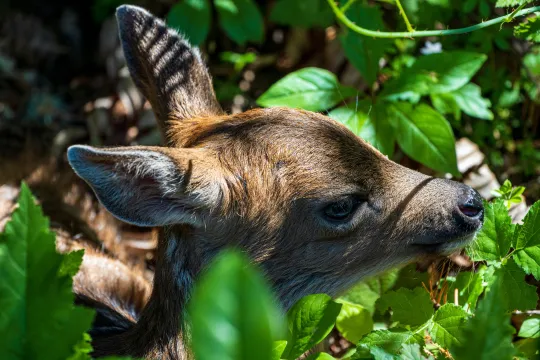
- Students will love the cute images of the animals!
- Teachers can use this low-prep resource as a substitute teacher activity.
Additional Prerequisites
- Teachers may need to explain how to complete a crossword puzzle but all of the answers are in the reading.
- Students should know the terms predator and rabies.
Differentiation
- Teachers can take students to a park to practice being in nature without disturbing it.
- Students can create posters, warning others to leave nature as it is.
- Students may enjoy learning more about the careers the worksheet mentions.
- After reading the section about not feeding animals, students can research what some Connecticut animals eat in the wild.
- Teachers and students can read the worksheet together and use the crossword to assess students' understanding,
- Teachers can use this topic to lead into other ways humans disturb natural systems, such as deforestation and climate change.
This worksheet briefly discusses why it is not always helpful to interfere with wildlife and why working with professionals is important. Teachers can incorporate this worksheet into lessons about the environment, animals, and climate. This resource is recommended for teaching.
Teaching Tips
Standards
Resource Type and Format
Scientist Reviewed
This resource has been reviewed by SubjectToClimate's climate scientists and verified for scientific accuracy and up-to-date information. Our review process ensures that every resource in our library reflects the current state of climate science.
Learn about our review process →