
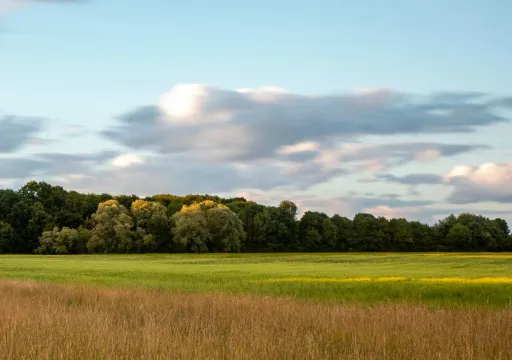
Less Harm on the Farm: Regenerative Ag
Provided by: The Nature Conservancy|Published on: March 29, 2024
Grades: 8, 9, 10, 11, 12, AP
Type: Videos
Subjects: Earth and Space Sciences, Engineering
Authors: Nature Lab by The Nature Conservancy
Region: North America, South and Central America, USA - Midwest, United States, Global, Illinois, Nebraska, Ohio
Languages: English
This resource has been reviewed by SubjectToClimate's climate scientists and verified for scientific accuracy and up-to-date information. Learn about our review process →
This resource has been reviewed by SubjectToClimate's climate scientists and verified for scientific accuracy and up-to-date information. Learn about our review process →
Synopsis
- This Nature Lab video introduces viewers to three agricultural revolutions that have already happened and the next revolution, which will consist of improving methods to advance climate solutions such as cover crops, conservation tillage, filtration via wetlands, pollinator gardens, green buffer zones, and agroforestry.
- This video is included in this lesson plan by Nature Lab by the Nature Conservancy.
- Students will see exemplary farms, such as Franklin Farms in central Illinois, the University of Illinois Research Farms, a farm in Ohio, and a farm in Nebraska that uses Traditional Ecological Knowledge from the Mayan people in Central America, and learn about the dead zone in the Gulf of Mexico.
Teaching Materials
Positives
- The commentators and experts speak in a friendly manner and provide information in an informal tone, therefore introducing serious concepts with tact and empathy.
- Students will be engaged with the wide variety of climate solutions that are presented and may wish to take their own actions at the local level.
- Teachers can download a companion teaching guide that includes lesson plans, standards, a materials list, and extension activities using the link in the description and downloading the "Earth Month with Nature Lab" guide. Guidance for this video is on page 12.
Additional Prerequisites
- A Nature Conservancy trustee tells the story of decomposing tillage radishes that smelled bad, and neighbors thought it might be a cadaver, so students may have questions about that word.
- Teachers and students can share the video via social media.
- Students should understand the importance of carbon sequestration and agriculture's impacts on climate change.
Differentiation
- Commentators demonstrate an experiment that examines how cover crops protect against erosion, so Science teachers can have students conduct the same experiment.
- One segment of the presentation focuses on the "three sisters" growing method of Indigenous people, so teachers can show the video and have students research which Indigenous people lived in their areas, as well as the contributions of those people.
- Another segment shows a farmer and guest tasting various fruits and nuts from the "food forest" growing next to a cash crop field, so teachers may wish to have students write reflections about foods they have grown or seen growing at the local level.
- The video mentions composting as a climate solution, so students may wish to begin composting at the classroom or school campus level.
- The video also presents planting a pollinator or food garden as an easy way to help the planet, so teachers can have students plant one near the classroom.
- Finally, the narrators mention shopping locally for food as another way to help, so teachers may wish to plan a field trip to a farmer's market.
This video discusses regenerative agriculture. This includes discussions about the agricultural revolutions and different techniques to make farming more sustainable and environmentally conscious. The video discusses several different techniques which makes it a nice introduction and overview to the topic. The video also is a great addition to lessons and discussions about farming, food, and being environmentally conscious. This resource is recommended for teaching.
Teaching Tips
Standards
Resource Type and Format
About the Partner Provider

The Nature Conservancy
The Nature Conservancy is a global environmental nonprofit working to create a world where people and nature can thrive. The Nature Conservancy has grown to become one of the most effective and wide-reaching environmental organizations in the world.
Scientist Reviewed
This resource has been reviewed by SubjectToClimate's climate scientists and verified for scientific accuracy and up-to-date information. Our review process ensures that every resource in our library reflects the current state of climate science.
Learn about our review process →