
Perennial Biomass Production
Provided by: Project Drawdown|Published on: May 24, 2024
Grades: 9, 10, 11, 12, AP
Type: Articles/Websites
Subjects: Earth and Space Sciences
Authors: Project Drawdown
Region: Global
Languages: English
This resource has been reviewed by SubjectToClimate's climate scientists and verified for scientific accuracy and up-to-date information. Learn about our review process →
This resource has been reviewed by SubjectToClimate's climate scientists and verified for scientific accuracy and up-to-date information. Learn about our review process →
Synopsis
- This article examines the increased benefits and carbon sequestration for shortcomings of using perennial instead of annual crops for biomass production.
- Students will learn the impact this replacement can have on emissions reductions, the cost to implement this change, and other factors to consider.
Teaching Materials
Positives
- Students and teachers can easily share this article via social media.
- Helpful sidebars present numerical data with easy-to-understand graphics and include a call to action for students.
Prerequisites
- The vocabulary is rigorous, so a definition list is appropriate.
- Students should understand "hectare" versus "acre" since the data is in hectares.
Differentiation & Implementation
- Students can use this article for a research project on different types of bioenergy and how they fit within broader climate mitigation strategies.
- This article can fit within a larger unit on various kinds of alternative energy.
- This article can enhance a lesson on the connection between modern agriculture and climate change.
- This article can support a lesson on other potential applications for perennial crops.
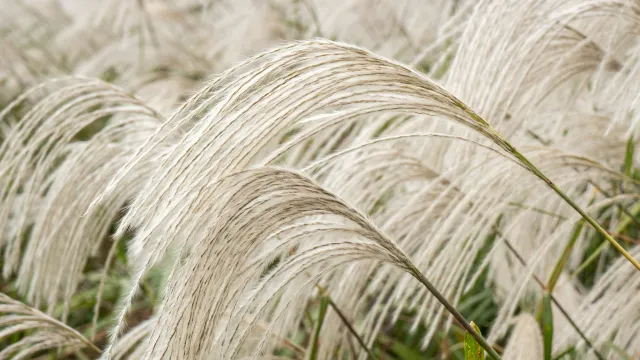
This article discusses the potential benefits of replacing annual crops, like corn, with perennial grasses and plants and investigates the possible impact on carbon dioxide emissions. The article is organized like a scientific paper and includes an introduction, methods, results, discussion, and conclusion sections. The report also mentions the limitations of the study. The information is accurate, and this resource is recommended for teaching.
Teaching Tips
Standards
Resource Type and Format
About the Partner Provider

Project Drawdown
Project Drawdown is a nonprofit organization that seeks to help the world reach “drawdown”—the future point in time when levels of greenhouse gases in the atmosphere stop climbing and start to steadily decline. Cities, universities, corporations, philanthropies, policymakers, communities, educators, activists, and more turn to Project Drawdown as they look to advance effective climate action. Project Drawdown resources for educators include the database of Drawdown Solutions, educational video series Climate Solutions 101, the Drawdown Stories initiative, and more.
Scientist Reviewed
This resource has been reviewed by SubjectToClimate's climate scientists and verified for scientific accuracy and up-to-date information. Our review process ensures that every resource in our library reflects the current state of climate science.
Learn about our review process →