
Running Out of Water on the California-Oregon Border
Provided by: The Guardian|Published on: April 11, 2023
Grades: 8, 9, 10, 11, 12, AP
Type: Videos
Subjects: Biology, History, Geography
Authors: The Guardian
Region: North America, USA - West, United States, Oregon, Southern Oregon, California
Languages: English
This resource has been reviewed by SubjectToClimate's climate scientists and verified for scientific accuracy and up-to-date information. Learn about our review process →
This resource has been reviewed by SubjectToClimate's climate scientists and verified for scientific accuracy and up-to-date information. Learn about our review process →
Synopsis
- This video shares the different perspectives of people who rely on the Klamath Basin, the ongoing water conflicts there, and the relationships they have with the water and ecosystem.
- It is primarily focused on the Indigenous people, the farmers, and the desire to preserve their ways of life.
Teaching Materials
Positives
- The video has an empathetic tone toward everyone interviewed and ultimately advocates for understanding each other and working together.
- There is a map shown at 1 minute, 20 seconds of the area that demonstrates how the areas are connected through the Klamath Basin.
Additional Prerequisites
- Teachers should be aware of some of the heavier topics discussed in the video, such as the water crisis, endangered species, and threats to Indigenous sovereignty.
- A social-emotional check-in may be helpful for students to process their feelings.
Differentiation
- Students in ELA classes can discuss the different perspectives and the claims, evidence, and reasoning of the various perspectives.
- Students in history classes can discuss the historical events, treaties, and acts that have led to the differing perspectives on how the water should be managed.
- Students can discuss solutions, justice, and appropriate action steps that can be taken toward river restoration and equity.
- Science classes can tie this video into lessons about eutrophication, the water cycle, plant cell structures, soil science, ecosystems, or aquatic habitats and the negative effects of dams on river ecosystems.
- As an extension, this resource discusses why lakes and rivers should have legal rights similar to people and this other resource gives more context about the water conflict near the Klamath Basin.
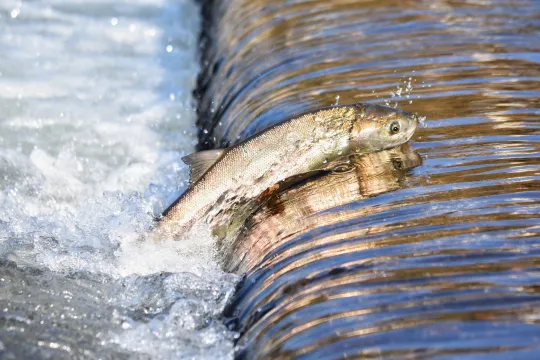
This video resource from The Guardian examines the water crisis in the Klamath basin. Farmers and Native Americans are pitted against one another as water needs for farms and salmon (held sacred by tribes) cannot be met due to a changing climate and increasing demands. This resource examines the history of settlement, wetland destruction, and hydropower development in the early twentieth century leading up to the current crisis, where there is not enough water to go around. Interviews with farmers, tribal representatives, and scientists are featured (along with images that show the extent of the crisis). This video presents the concerns of both Native Americans and farmers in a sympathetic way, showing that each group is just trying to live their own traditions. This resource is recommended for teaching.
Teaching Tips
Standards
Resource Type and Format
Scientist Reviewed
This resource has been reviewed by SubjectToClimate's climate scientists and verified for scientific accuracy and up-to-date information. Our review process ensures that every resource in our library reflects the current state of climate science.
Learn about our review process →