

The Pollution Surveillance System Growing on Your Street
Provided by: Grist|Published on: May 19, 2022
Grades: 9, 10, 11, 12
Type: Videos
Subjects: Earth and Space Sciences
Authors: Grist
Region: Willamette Valley / Portland Metro - Oregon
Languages: English

This resource has been reviewed by SubjectToClimate's climate scientists and verified for scientific accuracy and up-to-date information. Learn about our review process →
This resource has been reviewed by SubjectToClimate's climate scientists and verified for scientific accuracy and up-to-date information. Learn about our review process →
Synopsis
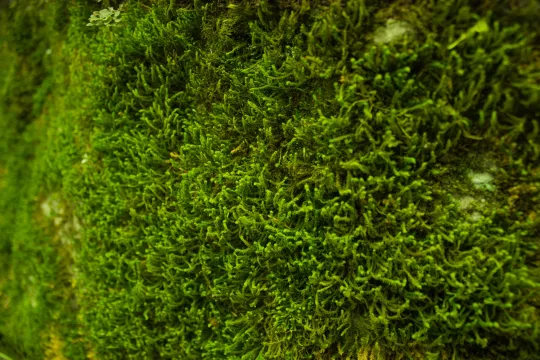
- This video from Grist details how scientists can use moss growing in neighborhoods to analyze how much and what types of pollutants are in the air.
- The innovative idea came from a United States Forest Service research ecologist named Sarah Jovan, who completed an air quality study in Portland that identified many industrial pollutants in a number of communities.
- Students will learn why mosses and lichens are cheap and reliable air pollution-monitoring organisms, how they can help identify sources of pollution, and how young people can get involved in making a change in their communities.
Teaching Materials
Positives
- This video is an excellent example of scientists and community members taking creative action to solve an environmental issue in their communities.
- A range of stakeholders are included in the video and students will see teens getting involved.
Prerequisites
- Students may benefit from knowing what arsenic and chromium are and their potential health impacts.
- There may be an ad before the video.
- Teachers should note that this video contains the word "badass".
Differentiation & Implementation
- For a cross-curricular connection, civics classes could discuss the impact of community action and new regulations on public health and polluting businesses.
- This resource could be used as a hook for discussions about creative solutions to problems. Guiding questions could include:
- What problem(s) did scientists in Portland face when trying to monitor air quality before this study? What was their solution? Was their solution scalable?
- What other problems might be solved with more natural solutions?
- As an extension, students could research where mosses and lichens grow to determine other locations to do this research, or other types of plants that could be used in other climates, to expand this solution to other locations.
- Other related resources include this lesson on pollution and environmental justice in Chicago, this interactive tool for analyzing pollution, and this article about pollution in Michigan.
The video gives an explanation of the discovery of using mosses to identify hotspots of air pollution in cities. This is commendable and would be beneficial to the students.
Teaching Tips
Standards
Resource Type and Format
Scientist Reviewed
This resource has been reviewed by SubjectToClimate's climate scientists and verified for scientific accuracy and up-to-date information. Our review process ensures that every resource in our library reflects the current state of climate science.
Learn about our review process →