
Through Salmon Eyes
Provided by: Washington Office of Superintendent of Public Instruction|Published on: May 23, 2024
Grades: K, 1, 2, 3
Type: Lesson Plans
Subjects: Science, Social Studies
Authors: Washington Office of Superintendent of Public Instruction
Region: North America, USA - West, United States, Oregon, Willamette Valley / Portland Metro - Oregon, California
Languages: English
This resource has been reviewed by SubjectToClimate's climate scientists and verified for scientific accuracy and up-to-date information. Learn about our review process →
This resource has been reviewed by SubjectToClimate's climate scientists and verified for scientific accuracy and up-to-date information. Learn about our review process →
Synopsis
- In this lesson, students will watch a video to understand the importance of salmon in Indigenous cultures, ecosystem services that help the salmon, and how human activities impact salmon populations.
- This lesson is the fourth in the "Honoring the Salmon" unit and includes some materials for the entire unit, such as a traditions worksheet, family letter, and book list for previous lessons.
Teaching Materials
Positives
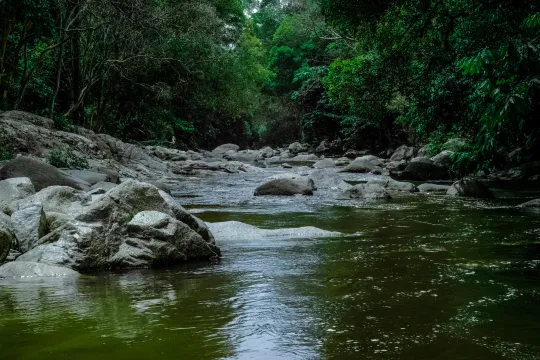
- The underwater footage in the video, "Through Salmon Eyes" is beautiful and the included noise from the river makes it a sensory experience.
- The lesson emphasizes the idea of honoring and respecting natural resources.
Additional Prerequisites
- The first two links for Celilo Falls footage under Teacher Preparation in the "Getting Started" materials go to the same article about Celilo Falls rather than two different videos. However, the article also includes a short video of the Falls.
- There are Spanish versions of the worksheet and family letters.
- Students will need to read Salmon Boy, as students will have to retell it at the beginning of the lesson.
- It may benefit students to know the salmon life cycle and habitat.
Differentiation
- After watching the video, students can create an anchor chart to remind them how to be Natural Helpers.
- Students can research commercial fishing practices and compare them to the idea of only taking what you need.
- Students can write a story from the point of view of a salmon, touching on what they may experience due to human activities.
- Students in science classes can research how human activities and global climate change impact salmon populations.
The following resource teaches students about salmon, their lives, and how humans can impact their lives. A big focus is also on the importance of salmon to Indigenous peoples' culture. The activity touches on many scientific concepts, such as pollution, habitats, life cycles, and human impacts on climate and the environment. The information presented is accurate, and this resource is recommended for teaching.
Teaching Tips
Standards
Resource Type and Format
Scientist Reviewed
This resource has been reviewed by SubjectToClimate's climate scientists and verified for scientific accuracy and up-to-date information. Our review process ensures that every resource in our library reflects the current state of climate science.
Learn about our review process →