
Tiny Creatures, Big Jobs: The Bugs That Make Food Possible
Provided by: The Nature Conservancy|Published on: May 2, 2026
Grades: K, 1, 2, 3, 4, 5
Type: Lesson Plans
Subjects: Science
Authors: Nature Lab by The Nature Conservancy
Region: Global
Languages: English
This resource has been reviewed by SubjectToClimate's climate scientists and verified for scientific accuracy and up-to-date information. Learn about our review process →
This resource has been reviewed by SubjectToClimate's climate scientists and verified for scientific accuracy and up-to-date information. Learn about our review process →
Synopsis
- In this three-lesson module with hands-on activities, students will explore the insects and decomposers that work to produce the food we eat.
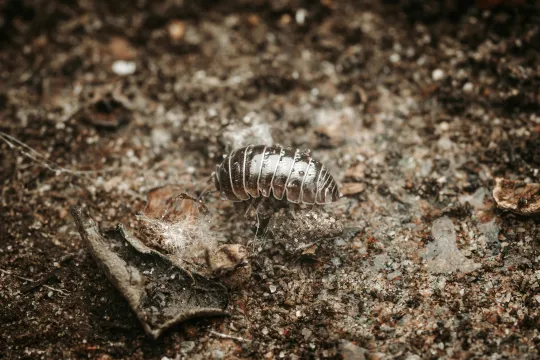
- Students will identify organisms in the soil, act as bees dispersing pollen, and create compost in a bottle.
Teaching Materials
Positives
- This resource details the ecosystem services of pollinators and decomposers, with a focus on mutualism.
- Each activity contains a helpful, quick assessment that teachers can perform to assess students' understanding.
- Students will love the hands-on activities, especially if they are able to get to know the soil outside.
Prerequisites
- For the first activity, students will need magnifying glasses, small trowels or spoons, shallow bins or trays, an outdoor soil patch or soil-filled container, and somewhere to record class findings.
- For the second activity, students will need cotton balls, paper cups or clothespins, paper flowers, and something to represent pollen.
- For the third activity, students will need clear 2-liter plastic bottles or clear jars, soil, food scraps, leaves or shredded paper, spray bottles with water, and labels.
Differentiation & Implementation
- Before going through the activities, teachers can spend a class period on the vocabulary terms. It may benefit students to have a word wall or flash cards to refer to throughout the lessons.
- Teachers may need to expand on some of the ideas touched on in the activities. For example, students may benefit from a more complete lesson (like this one) to understand the role of pollination in food production. Teachers may also need to explain the importance of healthy soil.
- These activities can be used to explain the connection between Sustainable Development Goal 2, Zero Hunger, and Sustainable Development Goal 15, Life on Land.
Key terms are clearly defined, and several additional resource links and videos are included. Three hands-on activities allow students to understand the role of species in an ecosystem that they may often just dismiss as ‘bugs’. This resource is recommended for teaching.
Teaching Tips
Standards
Resource Type and Format
About the Partner Provider

The Nature Conservancy
The Nature Conservancy is a global environmental nonprofit working to create a world where people and nature can thrive. The Nature Conservancy has grown to become one of the most effective and wide-reaching environmental organizations in the world.
Scientist Reviewed
This resource has been reviewed by SubjectToClimate's climate scientists and verified for scientific accuracy and up-to-date information. Our review process ensures that every resource in our library reflects the current state of climate science.
Learn about our review process →