
What Makes Walkable Cities?
Provided by: Grist|Published on: April 27, 2021
Grades: 8, 9, 10, 11, 12
Type: Videos
Subjects: Geography
Authors: Grist
Region: Global
Languages: English
This resource has been reviewed by SubjectToClimate's climate scientists and verified for scientific accuracy and up-to-date information. Learn about our review process →
This resource has been reviewed by SubjectToClimate's climate scientists and verified for scientific accuracy and up-to-date information. Learn about our review process →
Synopsis
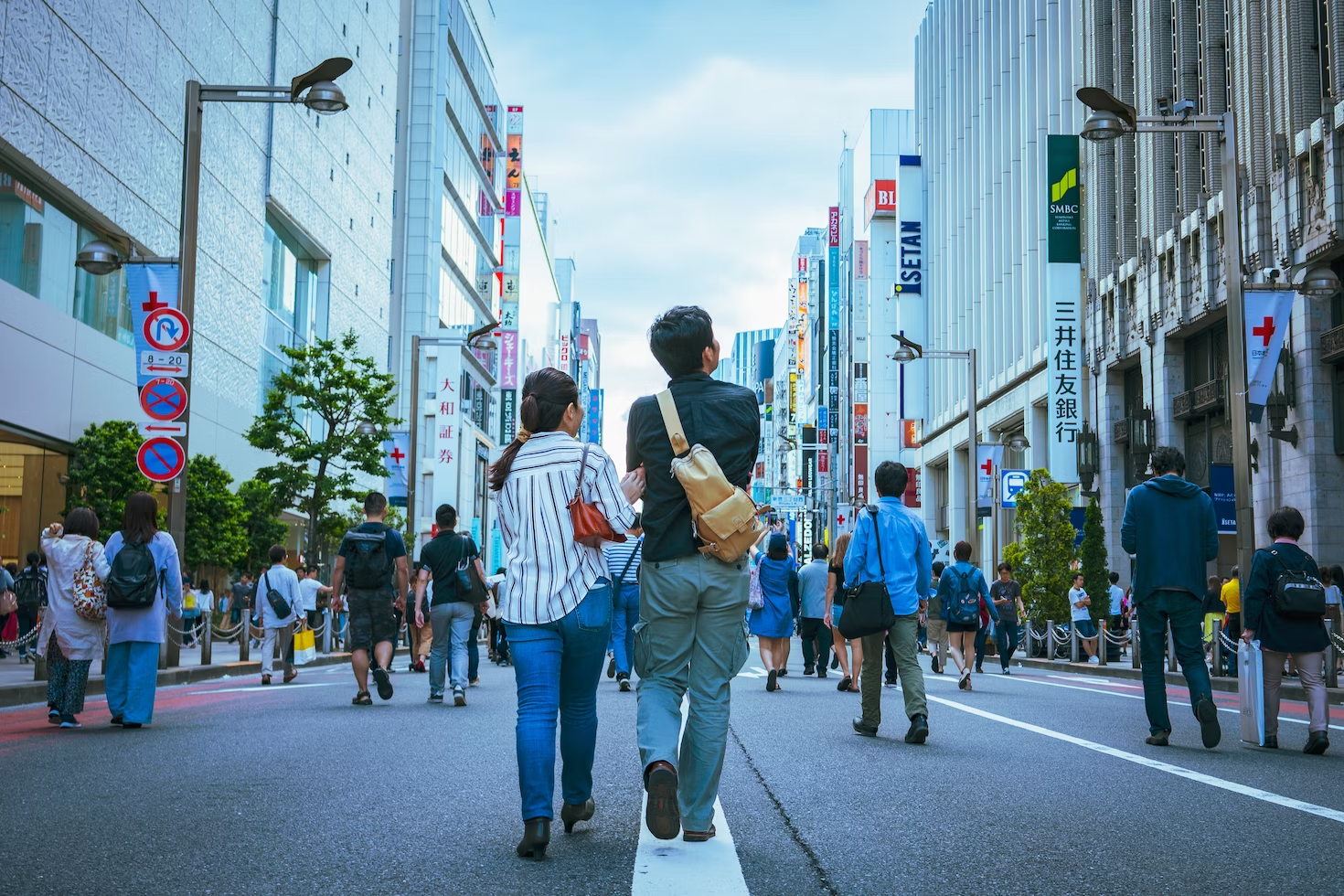
- This Grist video explores ideas on how to make cities more walkable and the benefits this can bring in terms of traffic, emissions, and social or emotional health.
Teaching Materials
Positives
- This entertaining and informative video contains interesting facts and statistics related to the advantages of having walkable cities.
- In this video, the speaker discusses interesting ideas including the disadvantages of cars in cities, the advantages of a pedestrian-friendly city, and ways to make it happen.
Prerequisites
- Students should be familiar with car emissions and the alternative modes of transportation.
Differentiation & Implementation
- Teachers can check that students have understood the ideas discussed in the video by asking them to summarize them in a graphic organizer.
- After watching, students can to do a project where they design a model for a sustainable, walkable city.
- Students can plan, organize, and implement a campaign to promote walking more and driving less.
- Students could organize a Walk and Roll Day at their school.
This 4-minute video looks at strategies for making cities more walkable to address issues related to traffic and climate change, among others. This is a short, clear resource and is recommended for teaching.
Teaching Tips
Standards
Resource Type and Format
Scientist Reviewed
This resource has been reviewed by SubjectToClimate's climate scientists and verified for scientific accuracy and up-to-date information. Our review process ensures that every resource in our library reflects the current state of climate science.
Learn about our review process →