
What to Do About Trash?
Provided by: Tumble Media|Published on: June 25, 2026
Grades: 4, 5, 6, 7, 8
Type: Podcasts
Subjects: Chemistry, Biology, Civics
Authors: Tumble Science Podcast for Kids
Region: Global
Languages: English
This resource has been reviewed by SubjectToClimate's climate scientists and verified for scientific accuracy and up-to-date information. Learn about our review process →
This resource has been reviewed by SubjectToClimate's climate scientists and verified for scientific accuracy and up-to-date information. Learn about our review process →
Synopsis
- This 22-minute podcast episode investigates the problem of trash and two different science-based solutions.
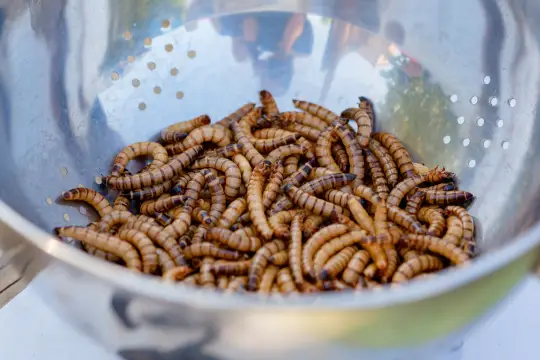
- Students learn about how engineers use mealworm gut microbes to break down plastic into building blocks for new plastics and how kids can advocate for better waste policies regarding composting.
Teaching Materials
Preparation:
- Note that there are multiple ads throughout the podcast.
- For more active listening, pre-select a few points of the podcast to pause at and ask students questions.
- Explore the resources listed under the podcast in the Tumble Media website.
Classroom Implementation:
- Use this podcast in a unit about food webs to focus on decomposers and the breakdown of organic substances.
- The episode pauses partway through to pose questions directly to listeners about which disposal option they prefer; pause to let students discuss or write a quick response before continuing.
- Provide students with the transcript and a few guiding questions so they can follow along, highlight, and take notes on paper.
- Run a classroom composting experiment where students track the breakdown of different materials over time.
Options for Action:
- Have students research their own city or town's waste and composting options, then draft a letter to a local official or design a school composting campaign.
This highly accessible podcast focuses on novel technologies to recycle plastics and what children can do to reduce the trash produced by themselves, their schools and their communities. The discussion is grounded in sound science, with dialogue from researchers. The positive climate impacts of recycling are clearly detailed. This resource is recommended for teaching.
Teaching Tips
Standards
Resource Type and Format
Scientist Reviewed
This resource has been reviewed by SubjectToClimate's climate scientists and verified for scientific accuracy and up-to-date information. Our review process ensures that every resource in our library reflects the current state of climate science.
Learn about our review process →