

Why are Coastal Wetlands So Important?
Provided by: The Kid Should See This|Published on: April 18, 2025
Grades: 6, 7, 8, 9, 10, 11, 12
Type: Videos
Subjects: Biology, Earth and Space Sciences
Authors: The Kid Should See This
Region: Africa, South and Central America, Global
Languages: English
This resource has been reviewed by SubjectToClimate's climate scientists and verified for scientific accuracy and up-to-date information. Learn about our review process →
This resource has been reviewed by SubjectToClimate's climate scientists and verified for scientific accuracy and up-to-date information. Learn about our review process →
Synopsis
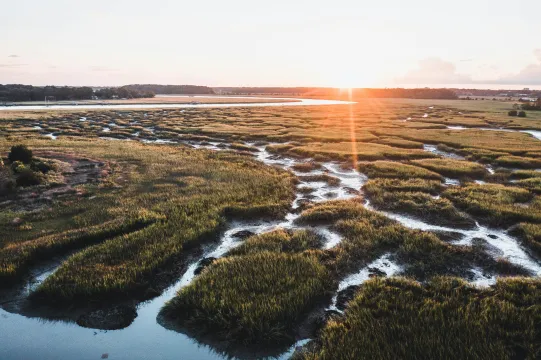
- This resource includes an article by TKSST and videos from the Pew Charitable Trusts to describe the importance of coastal wetlands, such as sea grasses, salt marshes, and mangroves.
- Students will learn about the habitats, protection, carbon sequestration, and other services these ecosystems provide and how people are working to protect them, with examples from Belize, Seychelles, and Costa Rica.
Teaching Materials
Positives
- Students will get to hear from a variety of people about their experience with and knowledge of coastal wetlands.
- The videos in this resource place importance on civic and community action, inspiring students to get involved.
Prerequisites
- Students should understand the basics of the carbon cycle.
- It may also benefit students to understand the importance of biodiversity, habitat loss, and increasing protection against coastal flooding.
Differentiation & Implementation
- To demonstrate their understanding of the article and video, students can create posters to advertise the benefits of coastal wetlands.
- To see a model of how mangroves protect coastal cities from flooding, students can check out the resource Mangrove Forests: Coastal Erosion Mitigation.
- After watching the second video, students can discuss the importance of community action and the need for government support.
- After watching and reading, students and teachers can construct a working definition of the term blue carbon based on its use in the article and videos.
The resource underscores the importance of coastal habitats, discussing the various types and functions, especially their ability to protect coastal communities from natural disasters, restore biodiversity and livelihoods, and play a key role in carbon sequestration (blue carbon). However, these habitats are being threatened as a result of human activities. "The Kid should really see this" as the resource inspires action for coastal habitats and biodiversity restoration in a changing climate. It is recommended for teaching.
Teaching Tips
Standards
Resource Type and Format
About the Partner Provider

The Kid Should See This
The Kid Should See This is a Webby award-winning collection of over 7,000 kid-friendly videos, curated for teachers and parents who want to share smarter, more meaningful media in the classroom and at home. Selections are grown-up-friendly, too. And thanks to TKSST members, it’s free and ad-free for everyone. Start conversations, spark questions, and inspire offline exploration for all ages.
Scientist Reviewed
This resource has been reviewed by SubjectToClimate's climate scientists and verified for scientific accuracy and up-to-date information. Our review process ensures that every resource in our library reflects the current state of climate science.
Learn about our review process →