You’re the Scientist! Citizen Science, Frogs & Cicadas
Provided by: The Nature Conservancy|Published on: May 19, 2023
Grades: 3, 4, 5, 6, 7, 8
Type: Lesson Plans
Subjects: Biology, English Language Arts
Authors: Nature Lab by The Nature Conservancy
Region: North America, United States
Languages: English
This resource has been reviewed by SubjectToClimate's climate scientists and verified for scientific accuracy and up-to-date information. Learn about our review process →
This resource has been reviewed by SubjectToClimate's climate scientists and verified for scientific accuracy and up-to-date information. Learn about our review process →
Synopsis
- In this Nature Lab lesson, students explore the impact citizens can make in contributing to scientific inquiries and studies, with specific examples of citizen science projects students can participate in.
- This resource contains two links to the video (which includes a virtual field trip), a data analysis extension, vocabulary terms, discussion questions about citizen science projects, and a project that students research and participate in.
Teaching Materials
Positives
- This will inspire students to participate in local data gathering and scientific explorations.
- Links to more than 9 additional resources are included for further learning, including related lab experiments.
Additional Prerequisites
- The video that supports this lesson plan can be accessed through Vimeo (to download and use offline) or YouTube (for closed captioning and language translations).
- Some of the resources are not hyperlinked, so you must search for them individually or reference this similar list of citizen science projects.
Differentiation
- Provide students with time to research the meaning of citizen science using the resources referenced, such as the official citizen science website.
- The discussion questions could be used as a written task after the virtual field trip, throughout the virtual field trip by pausing, or orally in small group discussion after the virtual field trip.
- As an extension activity, use some of the additional resources on page 6 by using data to extend learning.
- This lesson could be adapted for high school science classes by increasing the autonomy of the students in the research, data, and project sections.
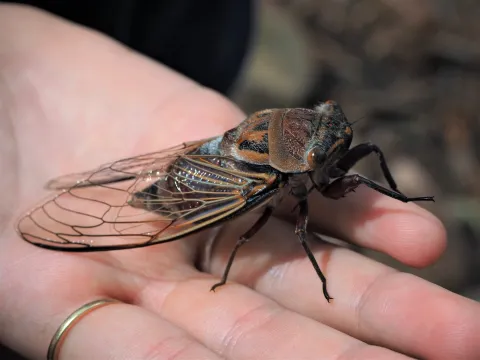
This lesson plan introduces the idea of citizen science through many different activities. The first discusses the history of citizen science, using public observations of cicadas in the 1840s as an example, and shows how students can share this data now. Other projects are about frogs, pollinators, and light pollution. This lesson plan is a great way to introduce citizen science and the idea that anyone can contribute to science by sharing their observations of the world around them. It also allows for discussion about how science projects are designed and how data is collected. Citizen science projects exist for almost any science topic and the lesson plan includes resources for different project ideas. This resource is recommended for teaching.
Teaching Tips
Standards
Resource Type and Format
About the Partner Provider
The Nature Conservancy
The Nature Conservancy is a global environmental nonprofit working to create a world where people and nature can thrive. The Nature Conservancy has grown to become one of the most effective and wide-reaching environmental organizations in the world.
Scientist Reviewed
This resource has been reviewed by SubjectToClimate's climate scientists and verified for scientific accuracy and up-to-date information. Our review process ensures that every resource in our library reflects the current state of climate science.
Learn about our review process →