
Watersheds Science Lesson
Created by Teacher(s): Tana Shepard, Nicole Butler-Hooton, Oregon Educators for Climate Education|Published on: March 26, 2023
Grades: 3, 4, 5
Type: Lesson Plan
Subjects: Earth and Space Sciences
Duration: 1 hour 40 minutes
Created by: Oregon Climate Education Hub teachers
Region: North America, USA - West, United States, Oregon
This resource has been reviewed by SubjectToClimate's climate scientists and verified for scientific accuracy and up-to-date information. Learn about our review process →
This resource has been reviewed by SubjectToClimate's climate scientists and verified for scientific accuracy and up-to-date information. Learn about our review process →
Synopsis
In this lesson, students learn how human activities impact watersheds, and what communities can do to keep the watershed healthy.
Step 1 - Inquire: Students think about how they use water in their everyday life and the important role that their local watershed plays in their community.
Step 2 - Investigate: Students complete two hands-on activities to understand how watersheds work and the impact that human activities have on watersheds.
Step 3 - Inspire: Students write a poem, short story, or letter about the importance of watershed health and share it with their local watershed council.
Share: This lesson plan is licensed under Creative Commons.
Related Lessons, Units, and Activities Teaching Materials
Accompanying Materials
Lesson Plan Preview
Teaching Tips
Standards
Teacher Writer
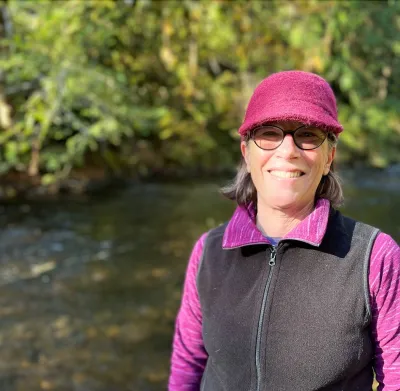
Tana Shepard
Tana Shepard is a K–12 Climate, Energy, and Conservation Teacher with 24 years of teaching experience. She holds a Bachelor of Education and Master of Education from Pacific University. Tana coordinates the 4J/EWEB Education Partnership Program in Eugene, Oregon, and is a founding member of Oregon Educators for Climate Education (OECE). She has extensive experience leading climate education, environmental stewardship, outdoor learning, renewable energy, and conservation initiatives, helping students and educators build the knowledge and skills needed to create a more sustainable future.
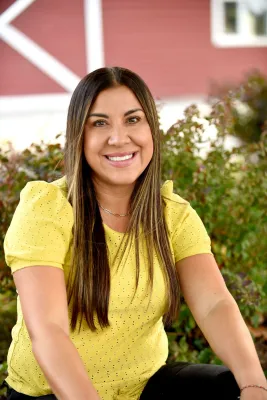
Nicole Butler-Hooton
Nicole Butler-Hooton has taught second and fourth grade in Oregon for 15 years. This year she has followed her passion of coaching teachers and is currently a Mentor TOSA/Instructional Coach in the Bethel School District. She was named the 2021 Oregon Teacher of the Year, becoming the first Indigenous teacher in Oregon to earn this recognition. Butler-Hooton is a member of the Confederated Tribes of Siletz Indians- Chetco Band (Oregon) and the San Carlos Apache Tribe (Arizona). A first-generation college graduate, she values making connections with students, families, and the school community, while centering equity and cultural competency in her teaching. Nicole holds a Bachelor’s Degree in Sociology with a focus on Ethnic Studies and a Master’s Degree in Elementary Education from the University of Oregon, where she was part of the Sapsik'ʷałá Teacher Education Program. She is currently enrolled in an Ed.D program through Walden University specializing in Curriculum, Assessment, and Instruction.
Bio from: https://grow.oregoned.org/facilitators/nicole-butler-hooton
Bio from: https://grow.oregoned.org/facilitators/nicole-butler-hooton
Oregon Educators for Climate Education
Oregon Educators for Climate Education (OECE) is a statewide group of educators working toward Oregon legislation that would mandate the integration and infusion of climate change for PK-12 education across all core subject areas.
Our steering committee is comprised of current and retired K-12 educators, as well as high school students. While most of us reside and work in the Willamette Valley, we are seeking connection and input from stakeholders from regions across Oregon. We are inclusive and invite diverse voices to join us!
Website: https://www.oregonclimateed.org/
Scientist Reviewed
This resource has been reviewed by SubjectToClimate's climate scientists and verified for scientific accuracy and up-to-date information. Our review process ensures that every resource in our library reflects the current state of climate science.
Learn about our review process →