

A New Fungal Hope in Africa's War on Armyworms
August 20, 2026

African farmers have a major armyworm problem. Nature may have just offered a fix.
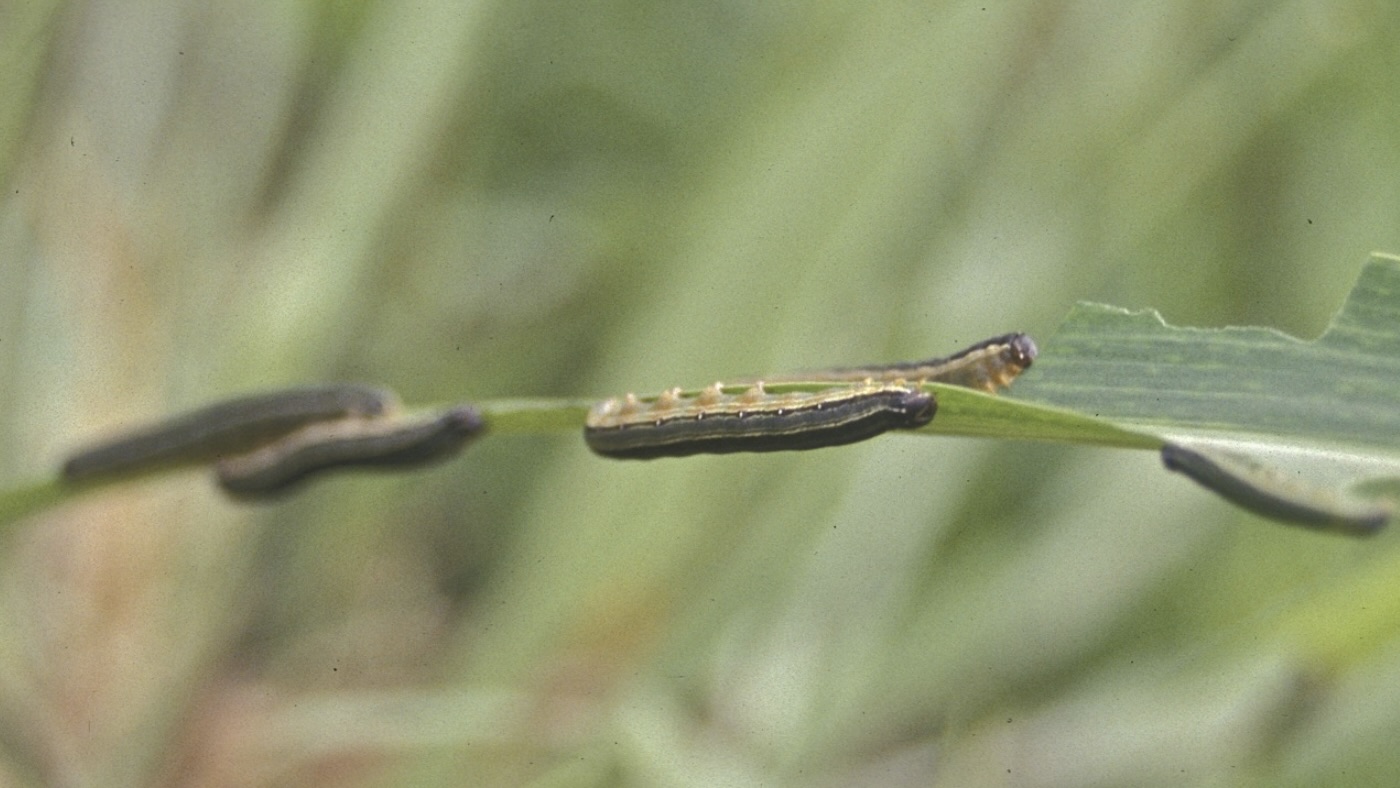
The African armyworm (Spodoptera exempta) can be a nightmare for those who make a living raising crops or cattle. Armyworms are a type of caterpillar. They turn into brown and white-winged moths. They can explode in numbers quickly. As a result, they can destroy entire fields of crops in a matter of weeks. A 2017 outbreak in Zambia ruined about 40% of the country’s maize harvest. They also leave behind a toxic compound that can poison grazing cattle.
There are pesticides that can kill armyworms. But they are often too costly for most farmers to afford.
Letodi Luki Mathulwe has made it her mission to stop the armyworms’ advance. She is a South African scientist. In April, she spotted something odd in a field in KwaZulu-Natal.
"Something was killing the insects," she told The Guardian. "In other areas the insects were alive and destroying the grass but as soon as they come here, there’s something that is killing them."
After testing, Mathulwe figured out that a type of fungus was killing the caterpillars. It's called Metarhizium rileyi. It's harmless to grains, humans, and cattle. But the fungus served to control armyworms. Mathulwe published her findings in July in the journal Biocontrol Science and Technology. She believes that with more research, the fungus could be used as a cheaper control than pesticides.
“I think it will create a lot of hope for farmers,” she told The Guardian.
Reflect: Why do you think nature is so good at solving problems humans alone struggle to fix?
Photo of African armyworms from Wikimedia Commons.
News brought to you by 
Read More News Stories Today!