

Conservationist Strives to Save Niger River Delta Monkeys
September 16, 2026

Thought Question: What's an animal or place you'd want to help protect, and why?
An estimated 10,000 monkeys once lived in the thousands of swampy square miles of the Niger Delta in Nigeria’s southwest region. That's where the long, winding Niger River meets the Atlantic Ocean. By 2010, only about 100 monkeys remained.
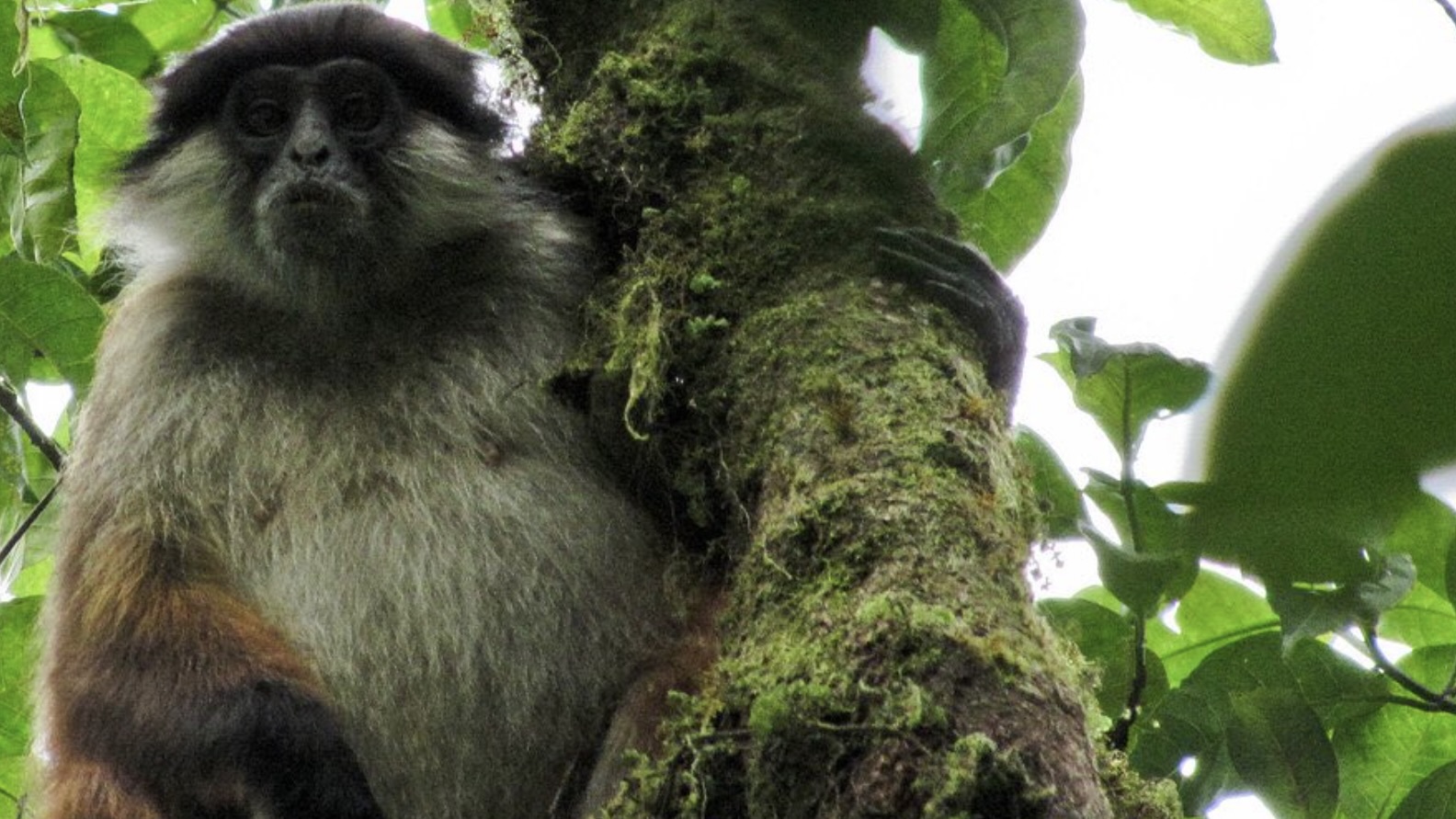
The monkey species is called the Niger Delta red colobus. It has a colorful black, orange, and white coat. It was first discovered and named by scientists in 1993. But nearly all of the monkeys were wiped out by hunters, loggers, and oil workers. Such human activity destroyed much of the monkeys’ habitat. It also polluted the Delta.
The red colobus became one of the world’s most endangered primates. It was threatened with full extinction. That was until conservationist Rachel Ikemeh arrived.
Ikemeh was determined to save the monkeys. She realized she had to involve local people in the effort. She founded a group called South-West/Niger Delta Forest Project. It educates about the benefits of cleaning up the swamplands. But most important, the group teaches people to end the destruction of parts of the Delta that the monkeys need to survive. She also had to convince hunters to stop preying on the monkeys.
The effort has worked. Today, the population of the monkey species has doubled.
Ikemeh’s project now hopes to pull more than 1 million acres of the region under local control. This could fend off the hunters, loggers, and oil interests. That was an “immense undertaking,” CNN reported.
“Conserving this landscape and the seascape should be (the) No. 1 (priority),” Ikemeh told CNN. “So until the environmental conservation of this region is addressed, every other thing will just be addressing the symptoms of what’s going on here.”
Photo of the Niger Delta red colobus courtesy of NE Primate Conservancy Instagram.
News brought to you by 
Read More News Stories Today!