

Europe's Heat Crisis Unearthing World War II Bombs, Battleships
August 6, 2026

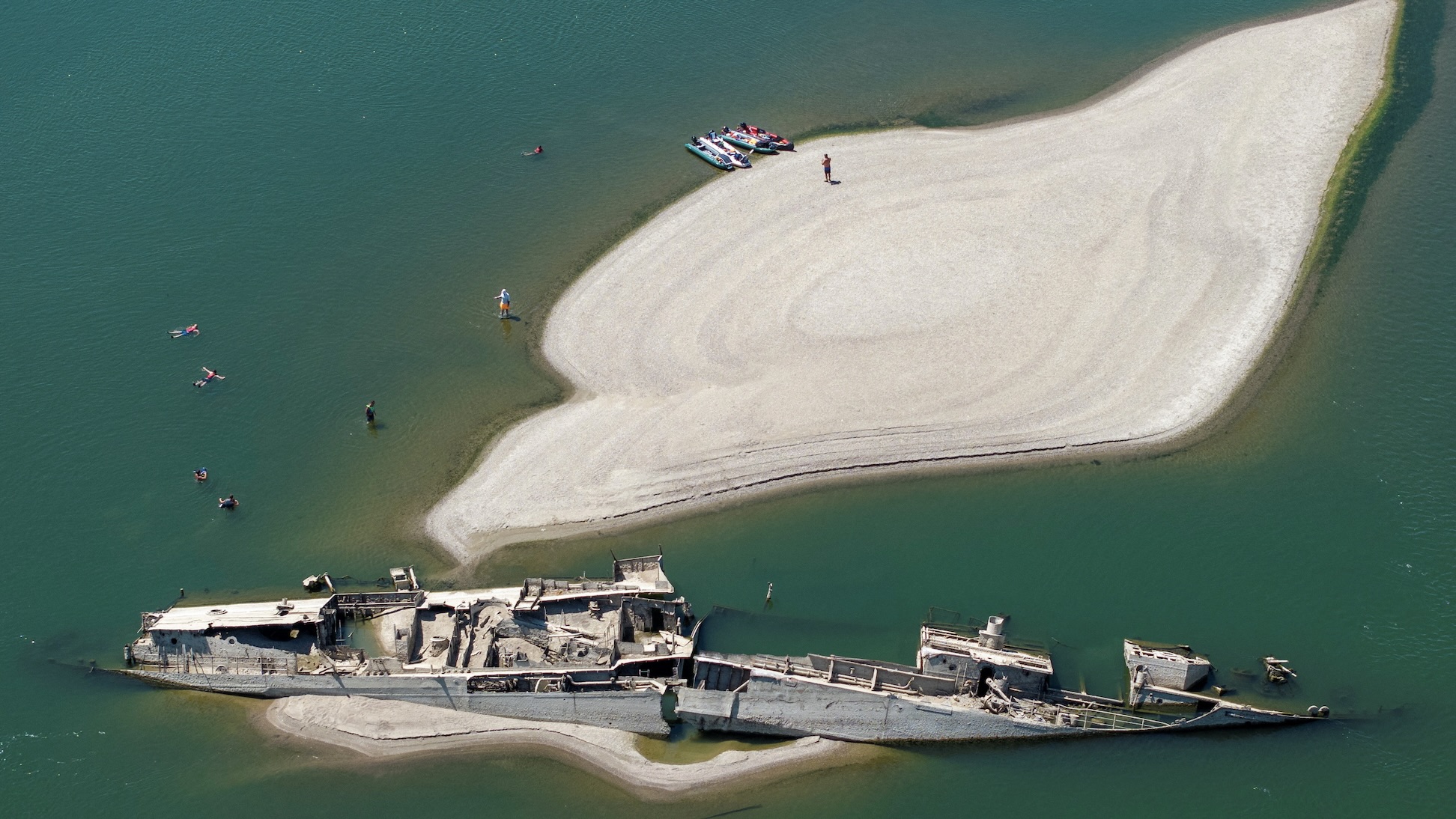
Perhaps the starkest sign that Europe is seeing extreme heat and drought like never before is just now coming into full view. Many aspects of Europe's World War II history have strikingly begun to resurface to the naked eye.
In the Danube River in Serbia, for instance, water levels have dropped so low that the hulks of German battleships from the war era of the 1930s and 1940s are starting to rise to the surface. The Danube is 1,770 miles long. It's the second longest river in Europe. It snakes through 10 nations.
Some of the rising ships are still equipped with weapons. They belonged to Nazi Germany’s Black Sea fleet. The Germans sank this fleet on purpose as they retreated from Romania and as the Soviet Union’s army advanced far into Europe near the war’s end.
And in Le Porge, France, unexploded arms were buried during the war. They've begun exploding now. It's due to the ground’s extreme heat. Such arms have been found along countrysides and other regions around Europe. But this summer’s extreme heat is turning them into a risky find.
More than 75 buried shells were found after they began exploding, commandant Philippe Delemotte, head of the Bordeaux bomb disposal unit, told the news outlet France Info on Monday.
Europe’s summer heat crisis is spurred by the El Niño weather pattern and climate change. It has sparked fast-moving wildfires. It has also caused up to 10,000 deaths. Much of Europe is without air conditioning. The heat has wreaked havoc on at-risk groups. This includes the elderly. Many of them have underlying health conditions.
Said French President Emmanuel Macron last week, “The situation we are dealing with today is the most severe we have ever recorded, the toughest since the Second World War.”
Reflect: What is something from the past that you think people should pay more attention to today?
Photo of people swimming near a sunken German warship from World War II, exposed due to low Danube River levels from Reuters.
News brought to you by 
Read More News Stories Today!