

Why Don't We Have Functional Biofuel Yet?
Provided by: Seeker|Published on: March 16, 2022
Grades: 6, 7, 8, 9, 10, 11, 12
Type: Videos
Subjects: Engineering
Authors:
Region: Global
Languages: English
This resource has been reviewed by SubjectToClimate's climate scientists and verified for scientific accuracy and up-to-date information. Learn about our review process →
This resource has been reviewed by SubjectToClimate's climate scientists and verified for scientific accuracy and up-to-date information. Learn about our review process →
Synopsis
- This video explains that biofuel is not widely used because it is expensive to produce and the manufacturing process can release more greenhouse emissions than burning fossil fuels.
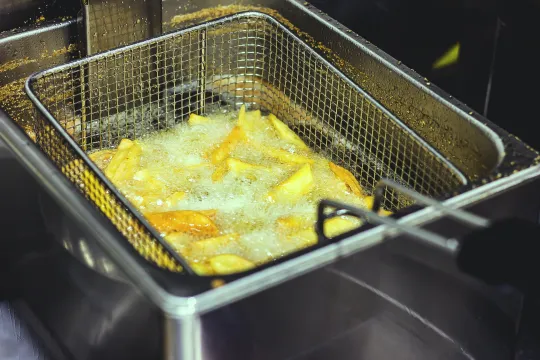
- Students will learn that scientists have started to make biofuel out of algae, cellulosic material, and used french fry grease. These biofuels require less land use conversion, but they still require a lot of energy.
Teaching Materials
Positives
- This video presents a balanced view of the pros and cons of using biofuels.
- The video description offers links to a variety of articles for further reading.
Additional Prerequisites
- This video begins with an advertisement.
Differentiation
- Chemistry classes could discuss the chemical reactions that occur when biomass is fermented, distilled, and dehydrated.
- Social studies classes could do an advertisement campaign for cars that run on biofuel. Students could think about the advantages (environmental, economic, health, etc.) that biofuel cars might have over cars that use gasoline.
- Other resources on this topic include this Project Look Sharp lesson on ethanol, this interactive map on biofuel infrastructure in the United States, and this scientific paper on how the aviation industry uses biofuels to greenwash their data.
The video presents the development of biofuels from 1900s until now. However, the production of biofuels is considered expensive and could degrade the environment and forests. Although various innovations like transesterification and using cellulosic materials could improve large scale production, they are expensive and are fairly carbon neutral products. This resource is recommended for teaching.
Teaching Tips
Standards
Resource Type and Format
Scientist Reviewed
This resource has been reviewed by SubjectToClimate's climate scientists and verified for scientific accuracy and up-to-date information. Our review process ensures that every resource in our library reflects the current state of climate science.
Learn about our review process →