

Why You're Recycling Wrong
Provided by: Vox|Published on: April 27, 2021
Grades: 6, 7, 8, 9, 10, 11, 12
Type: Videos
Subjects: Civics, Engineering
Authors: Vox
Region: North America, United States
Languages: English
This resource has been reviewed by SubjectToClimate's climate scientists and verified for scientific accuracy and up-to-date information. Learn about our review process →
This resource has been reviewed by SubjectToClimate's climate scientists and verified for scientific accuracy and up-to-date information. Learn about our review process →
Synopsis
- This Vox video explores how difficult it is for people to decide what to recycle and what not to recycle.
- It shows people's habits when it comes to recycling, the varying recycling programs in the United States, and the lessons learned in order to prevent recycling contamination and aspirational recycling.
Teaching Materials
Positives
- Through the questions asked in the video, students will understand that it mirrors their reality and will try to think about a solution and reflect on the lesson at the end of the video.
- Students can carry the simple message, "When in doubt, throw it out," throughout their recycling journey.
Prerequisites
- Students must be familiar with the recycling process and because recycling varies by location, you should get familiar with what is and is not recyclable in your area.
- There may be an ad at the beginning of the video.
Differentiation & Implementation
- The teacher can start by posing the same question about what to do with a disposable cup to the students to find out about their recycling habits.
- Students can develop an action plan defining how they can positively influence recycling in their communities as ambassadors for recycling.
- In social studies classes, teachers can use this video to create a "What do we do with our waste?" chart for a lesson about recycling.
- Other resources related to this topic include Sea of Plastic and Zero Food Waste Challenge.
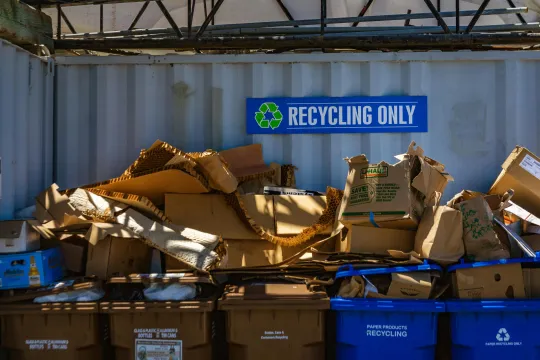
This resource is a 4-minute video that examines the complexity of deciding what materials are recyclable and which are garbage. The influence of single-stream recycling is briefly presented, and some actions to improve the situation are presented. This resource is recommended for teaching.
Teaching Tips
Standards
Resource Type and Format
Scientist Reviewed
This resource has been reviewed by SubjectToClimate's climate scientists and verified for scientific accuracy and up-to-date information. Our review process ensures that every resource in our library reflects the current state of climate science.
Learn about our review process →