
How Kenya is Leading the Way Conserving Nature
Provided by: The Nature Conservancy|Published on: May 15, 2026
Grades: 6, 7, 8, 9, 10, 11, 12
Type: Videos
Subjects: Biology, Economics
Authors: The Nature Conservancy
Region: Africa
Languages: English
This resource has been reviewed by SubjectToClimate's climate scientists and verified for scientific accuracy and up-to-date information. Learn about our review process →
This resource has been reviewed by SubjectToClimate's climate scientists and verified for scientific accuracy and up-to-date information. Learn about our review process →
Synopsis
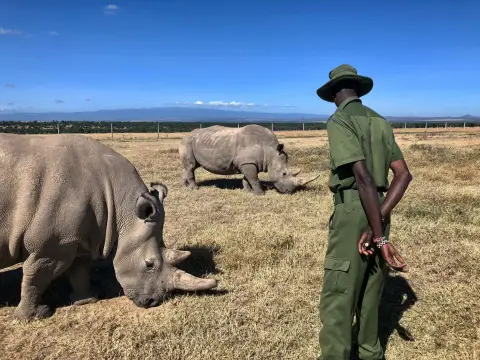
- This 4-minute video follows Domtilah Wakesho, the youngest female ranger in Tsavo, Kenya.
- Students learn about human-wildlife conflict and ways to maintain balanced relationships beneficial to both nature and local communities.
Teaching Materials
Classroom Implementation:
- As a class, discuss the role of gender and economic factors in wildlife conservation.
- Have students identify and research one local animal or plant that is often in conflict with human populations to develop possible solutions.
Related Resources:
- Use this lesson plan about wildlife corridors to introduce engineering design as a way to mitigate human-wildlife conflict.
- Use this lesson plan to explore South Africa's rhino population decline by analyzing real data using spreadsheets and graphing.
Interdisciplinary Connections:
- Economics:
- Connect this video to economic choices in human-wildlife conflict, such as the costs to farmers when animals damage or destroy crops versus the potential income from conserving wildlife through tourism and related jobs.
In this video, Domtilah Wakesho, the youngest female ranger in the Kenyan Tsavo region, discusses how and why wildlife populations have changed in Kenya. She also explains what the rangers do to help communities and wildlife coexist and thrive. This highlights the importance of taking care of nature and animals and how that ultimately helps people and communities, too. The information presented is accurate, and this resource is recommended for teaching.
Teaching Tips
Standards
Resource Type and Format
About the Partner Provider

The Nature Conservancy
The Nature Conservancy is a global environmental nonprofit working to create a world where people and nature can thrive. The Nature Conservancy has grown to become one of the most effective and wide-reaching environmental organizations in the world.
Scientist Reviewed
This resource has been reviewed by SubjectToClimate's climate scientists and verified for scientific accuracy and up-to-date information. Our review process ensures that every resource in our library reflects the current state of climate science.
Learn about our review process →