
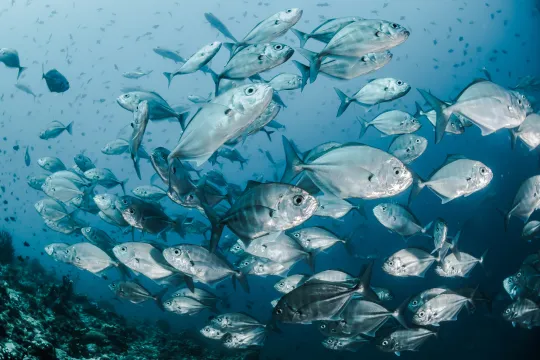
This Farming Method Grows Crops with Fish Poop
This resource has been reviewed by SubjectToClimate's climate scientists and verified for scientific accuracy and up-to-date information. Learn about our review process →
Provided by: NowThis Earth|Published on: April 27, 2021
VideosScientist Reviewed
6789101112
Scientist Reviewed This resource has been reviewed by SubjectToClimate's climate scientists and verified for scientific accuracy and up-to-date information. Learn about our review process →
Synopsis
- This video describes the use of fish waste to grow plants and the farm as the local community space.
- Students learn what aquaponics is, how it works, and its benefits.
Subjects: Biology
Authors: NowThis Earth
Region: Global
Languages: English
Teaching Materials
Positives
- This video is brief, but provides a clear picture of aquaponics.
- The farmer speaking in the video is very passionate about what they do.
Prerequisites
- There may be an ad before the video.
- It may benefit students to have an understanding of traditional agriculture.
Differentiation & Implementation
- Science teachers can connect this topic to climate change by talking about the impacts of climate change on freshwater availability and how traditional agriculture impacts the climate.
- Teachers can use this video to explain nature’s cycle (nothing goes to waste in nature).
- Biology teachers can use this video in a biology class to introduce the topics of nutrient cycling, limiting nutrients, and eutrophication.
- Click here for a video on regenerative farming.
- Click here for a lesson plan on regenerative farming.
This resource shows how aquaponics could help combat climate change, improve the health of soil, fish, plants and humans. Students can learn about how this technique provides a win-win situation in combating food security and climate change. The resource is recommended for teaching.
Teaching Tips
Standards
Resource Type and Format
Scientist Reviewed
This resource has been reviewed by SubjectToClimate's climate scientists and verified for scientific accuracy and up-to-date information. Our review process ensures that every resource in our library reflects the current state of climate science.
Learn about our review process →